
Are you struggling to build high-authority backlinks that actually move the needle for your B2B company? You've built great content, but without quality links, you're invisible to high-value customers searching for your solutions. This is where a targeted link building strategy becomes crucial for B2B growth.
Knowing how to buy link insertions: a beginner guide for B2B SEO is a powerful skill that allows you to place your links on already established, authoritative articles. This method, also known as niche edits, involves finding relevant content that already ranks and adding a contextual link back to your website. It's an efficient way to gain SEO traction without writing a full guest post from scratch, delivering authority and referral traffic directly to your key pages.
What Are Link Insertions (Niche Edits) in B2B SEO?
Link insertions, often called niche edits, are a type of backlink acquired by adding your link into an existing piece of content on another website. Unlike guest posting, where you create entirely new content, a link insertion leverages the age, authority, and existing rankings of a page. This makes it a highly efficient tactic for boosting your site's SEO performance, especially in competitive B2B markets.
The core value of a niche edit is its ability to tap into an article's established credibility. When a search engine sees a link added to a trusted, aged page, it can pass significant authority, or "link juice," to your domain. For B2B companies, this means you can strategically place links in high-level industry resources, guides, and reports that your target audience of decision-makers already reads and trusts. This is a key part of our Niche Edits & Link Insertion Service, focusing on penalty-free, high-impact placements.
The Strategic Process for Buying Link Insertions
Successfully buying link insertions requires a systematic approach, not a scattergun effort. A well-defined process ensures you acquire high-quality backlinks that enhance your authority and drive relevant traffic, rather than wasting your budget on links that provide little to no value. Following a clear, multi-step strategy helps mitigate risks and maximize your return on investment.

From identifying the right opportunities to measuring the results, each stage is critical. This process involves careful prospecting, rigorous quality vetting, professional outreach, and diligent performance tracking. Skipping any of these steps can lead to poor placements that could even harm your site's SEO standing. Let's break down the five essential steps to follow.
Step 1: How to Find Link Insertion Opportunities
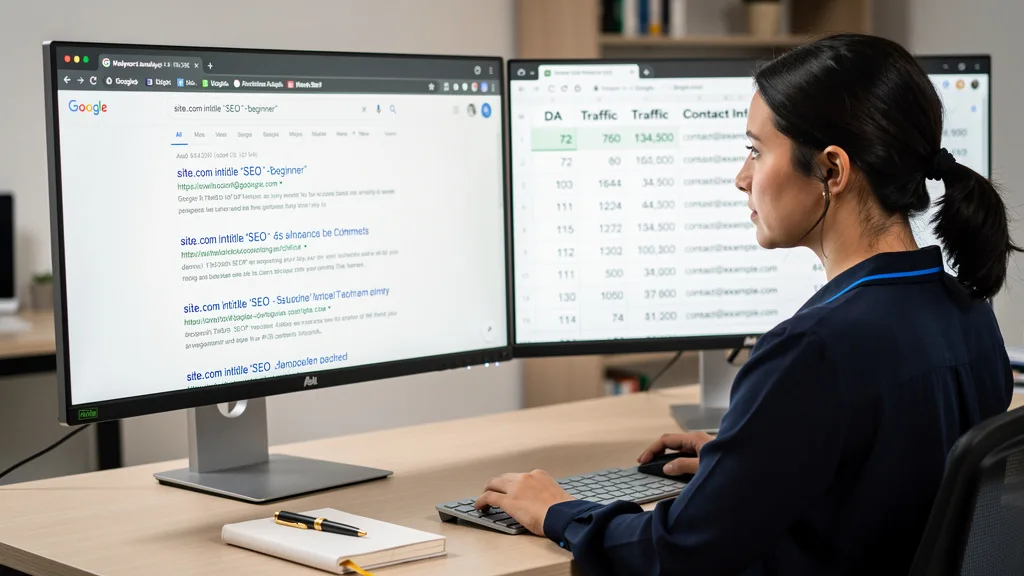
The first step is prospecting for relevant websites and pages where your link would add value. A great starting point is using advanced Google search operators. For example, you can search for `site:.com [your keyword] + "resources"` to find resource pages in your niche. This manual method helps you uncover topically aligned content that is likely to accept contextual links.
Another powerful technique is competitor backlink analysis. Using SEO tools like Ahrefs or Semrush, you can analyze the backlink profiles of your top-ranking competitors. Look for their link insertions in high-quality articles. This not only gives you a ready-made list of potential targets but also confirms that these sites are open to this type of link building. This method is a cornerstone of effective SEO strategy for small B2B teams and large agencies alike.
Step 2: Vetting Websites for Quality and Relevance
Once you have a list of potential targets, you must vet each one meticulously. Not all backlinks are created equal, and a link from a low-quality or irrelevant site can do more harm than good. The most important factor is topical relevance. The website and the specific article should be directly related to your industry and the content on your target page.
Beyond relevance, analyze key SEO metrics. Look for a strong Domain Rating (DR) or Domain Authority (DA), consistent organic traffic, and a clean backlink profile. A site with thousands of visitors per month is a much more valuable target than one with none. Avoid sites that appear to be part of a PBN (Private Blog Network) unless you are working with a specialist, or that have a history of spammy link practices. This vetting process ensures your investment contributes positively to your B2B SEO fundamentals.
| Vetting Criterion | What to Look For | Why It Matters |
|---|---|---|
| Topical Relevance | The site's main topic aligns with your industry. | Ensures the backlink sends relevant signals to Google. |
| Domain Authority (DA/DR) | A score of 30+ is a good starting point. | Indicates the website's overall authority and link power. |
| Organic Traffic | Consistent traffic (e.g., 1,000+ visitors/month via Ahrefs). | Shows the site is trusted by Google and has a real audience. |
| Backlink Profile | Links from other reputable sites, not spammy domains. | A clean profile means the site's authority is legitimate. |
| Content Quality | Well-written, informative, and up-to-date articles. | Associates your brand with quality and credibility. |
Step 3: Crafting Your Outreach and Negotiation Strategy
With a vetted list of targets, your next step is outreach. Generic, mass-emailed templates rarely work. Instead, craft a personalized email for each prospect. Address the editor or site owner by name, reference the specific article you're interested in, and clearly explain why your proposed link would add value to their readers. Keep your pitch concise and professional.
Negotiation is a key part of the process. Be prepared to discuss pricing, as most site owners will charge a fee for a niche edit. Prices can vary dramatically based on the site's authority and traffic. When negotiating, be clear about your requirements, including the desired anchor text and the page you want the link to point to. Building a good relationship can also lead to future opportunities, so always maintain a professional and respectful tone.
Step 4: Finalizing the Content and Link Placement
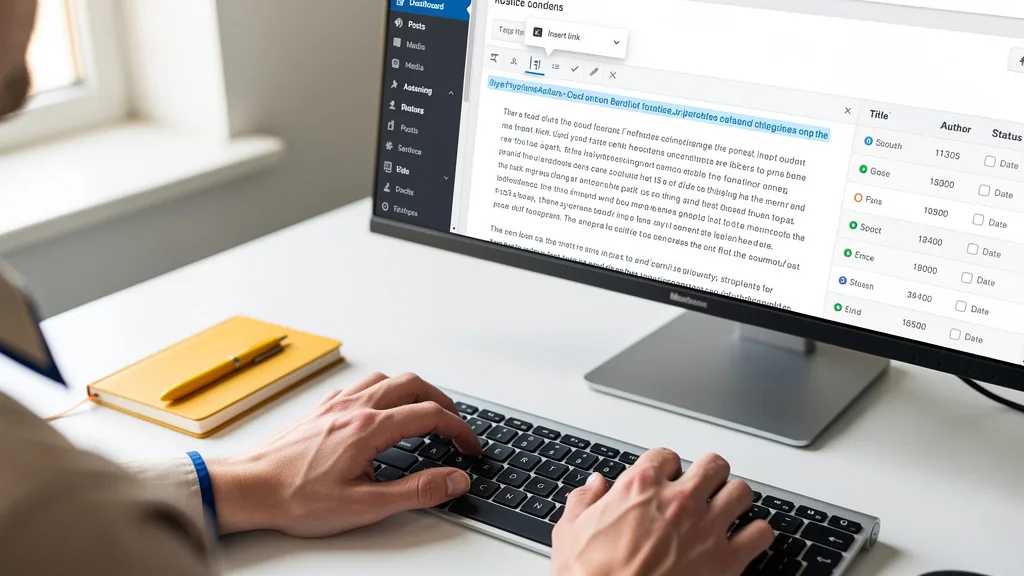
Once you've agreed on the terms, you need to provide the exact placement details. Don't just send a URL and anchor text. To make the link appear natural, it's best to write a sentence or two that can be seamlessly integrated into the existing paragraph. This provides context for the link and makes it more valuable for both readers and search engines.
For anchor text, aim for a natural and relevant phrase rather than an overly optimized, exact-match keyword. For example, instead of using the anchor "best B2B software," you might use "a helpful guide on B2B software selection." This diversification helps create a more natural backlink profile and reduces the risk of penalties. Confirm the link is live and correct once the webmaster has added it.
Step 5: Measuring the Impact of Your New Backlinks
The work isn't over once the link is live. To justify the investment, you must track the impact of your new backlinks. Monitor the keyword rankings for the page you linked to using a rank tracking tool. It may take several weeks or even months to see significant movement, so be patient. SEO is a long-term strategy, and results are rarely instantaneous.
In addition to rankings, check Google Analytics for referral traffic from the new link. While the primary goal is often SEO authority, referral traffic can lead to direct conversions and business growth. Also, keep an eye on Google Search Console to see if the new link has been indexed and how it might be influencing your site's overall performance and visibility in search results.
Key B2B SEO Fundamentals for Link Insertion Success
Link insertions don't exist in a vacuum. For them to be truly effective, they must be part of a holistic B2B SEO strategy. Your on-page SEO, including content quality, technical health, and user experience, must be solid. A powerful backlink pointing to a slow, poorly written, or irrelevant page will have a muted impact. Ensure your target pages are well-optimized and provide genuine value to the user.
"Effective outreach isn't about volume, it's about value. Show the editor how your link enhances their existing content, and you'll build a relationship, not just buy a link. That's the core of a sustainable B2B link building strategy for 2026."
Furthermore, your overall content strategy should align with your link building efforts. Create foundational content assets, or "linkable assets," that naturally attract links and serve as excellent targets for your link insertion campaigns. In the B2B space, this could be original research, in-depth guides, or free tools. Integrating link insertions into broader monthly link building packages ensures a consistent and diversified approach to building authority over time.
Common Pitfalls to Avoid When Buying Niche Edit Links
While link insertions can be highly effective, there are common pitfalls that can undermine your efforts. One of the biggest mistakes is prioritizing quantity over quality. Buying dozens of cheap, low-quality edit links from spammy sites will damage your SEO. It's far better to secure one or two high-authority, relevant links than a hundred worthless ones. Always focus on quality and relevance above all else.

Another pitfall is using over-optimized anchor text. Repeatedly using the same exact-match keyword as your anchor text is a red flag for search engines and can lead to penalties. A natural backlink profile includes a mix of branded, partial match, and generic anchors. For a deeper dive into what makes a good link, explore guides on Link Insertions for Beginners from authoritative sources. Finally, avoid placing links on sites with declining traffic or poor engagement, as these are signs of a site that is losing favor with Google.
- Ignoring Topical Relevance: Placing a link on a site that has nothing to do with your industry sends confusing signals to Google.
- Using Over-Optimized Anchor Text: A natural backlink profile has diverse anchor text. Avoid using the same keyword for every link.
- Buying from Link Farms or PBNs: Public link networks are easily detected and can result in penalties. Only use private, high-quality networks if you know what you're doing.
- Neglecting Website Vetting: Failing to check a site's traffic, backlink profile, and content quality is a recipe for disaster.
- Having Unrealistic Expectations: SEO takes time. Don't expect to see results overnight from a single link insertion.
Setting a Realistic Budget and Expectations for 2026
Determining a budget for link insertions requires understanding the market rates for 2026. The cost of a single niche edit can range from under $100 to over $1,000. This price is influenced by several factors, including the website's Domain Rating (DR), organic traffic, industry, and the overall quality of the content. Highly competitive and lucrative niches, such as iGaming, Crypto, and Finance, command premium prices.
It's crucial to set realistic expectations for both cost and results. A higher budget will be necessary to acquire links from top-tier publications. When planning your budget, consider the lifetime value of the link rather than just the upfront cost. A single, powerful link can drive rankings and traffic for years. You can find more details on how these factors influence cost by reviewing professional backlink pricing structures, which often tier services based on site authority. Remember that results are not immediate; it can take 3-6 months to see the full impact of a link building campaign.
Essential Tools for Your Link Insertion Campaign
To execute a link insertion campaign efficiently, you'll need a toolkit of SEO software. These tools help streamline every stage of the process, from prospecting to performance tracking. While you can perform some tasks manually, using the right tools will save you hundreds of hours and provide much more accurate data for decision-making.
Here are some essential tools categorized by their function in the link insertion process:
- For Prospecting & Analysis: Tools like Ahrefs and Semrush are indispensable for analyzing competitor backlinks, vetting target websites, and finding content opportunities. They provide crucial data on domain authority, organic traffic, and keyword rankings.
- For Outreach & Management: Platforms such as Hunter.io, Snov.io, or Pitchbox help you find email addresses and manage your outreach campaigns at scale. They allow you to track opens, replies, and follow-ups systematically.
- For Rank Tracking: To measure the impact of your new links, you'll need a rank tracker. Tools like AccuRanker or the built-in features of Ahrefs and Semrush let you monitor your keyword positions over time.
- For General SEO Health: Google Analytics and Google Search Console are free and essential for monitoring referral traffic and overall site performance.
Key Takeaways
Navigating the world of link insertions can feel complex, but focusing on a few core principles will guide your B2B SEO strategy to success. Here are the most important takeaways from this guide:
- Quality Over Quantity: One high-authority, relevant link is worth more than a hundred low-quality ones. Always prioritize relevance and site metrics.
- Process is Paramount: A systematic approach to prospecting, vetting, outreach, and tracking will maximize your ROI and minimize risks.
- Natural Integration is Key: Ensure your link and anchor text are placed contextually within the content to provide value to readers and appear natural to search engines.
- Patience and Measurement: Link building is a long-term game. Track your results over several months to understand the true impact of your investment.
- Budget Realistically: Understand that quality costs money, especially in competitive B2B niches. Allocate a budget that reflects the high value of authoritative backlinks.
Frequently Asked Questions
Can you purchase backlinks?
Yes, you can purchase backlinks, and it is a common practice in the SEO industry. Many companies buy link insertions or sponsor guest posts to build their site's authority. However, it's important to differentiate between buying high-quality placements on legitimate sites and purchasing links from low-quality link farms.
The key is to focus on acquiring links that provide genuine value and appear natural. When you pay for a link insertion, you are often compensating the site owner for their time and the value of their platform. As long as the link is on a relevant, high-quality site and placed contextually, it is generally considered an acceptable and effective SEO tactic.
Are backlinks still a major ranking factor in 2026?
Absolutely. Backlinks remain one of the most critical ranking factors for Google and other search engines in 2026. They act as votes of confidence from one website to another, signaling authority, trust, and relevance. While content quality and user experience are also vital, a site with a strong backlink profile will almost always outperform a site without one, assuming all other factors are equal.
Search engine algorithms have become more sophisticated at evaluating the quality of backlinks, so the emphasis is now on earning or acquiring links from authoritative and topically relevant sources. Spammy, low-quality links are less effective and can even lead to penalties. Therefore, a strategic approach to link building is more important than ever.
What is the difference between a link insertion and a guest post?
The primary difference lies in the content creation process. A link insertion (or niche edit) involves adding a hyperlink to an existing, already published article on a website. You identify a relevant piece of content and negotiate with the site owner to have your link added. This method leverages the age and established authority of the existing page.
A guest post, on the other hand, involves writing a brand-new article to be published on someone else's website. Within that new article, you include one or more links back to your own site. While guest posting can also be a powerful link building strategy, link insertions are often faster and can tap into the immediate ranking power of an aged, authoritative page.
How much should you pay for a quality link insertion?
The cost of a quality link insertion varies widely, typically from $100 to over $1,500. The price depends on several key factors: the website's Domain Authority (DA) or Domain Rating (DR), the amount of organic traffic it receives, its topical relevance, and the industry. For example, a link from a top-tier finance blog will cost significantly more than one from a small local business blog.
When budgeting, it is important to avoid the temptation of cheap links, as they are often from low-quality or spammy sites. A fair price for a link on a reputable site with good metrics and real traffic is a worthwhile investment. Always vet the site thoroughly to ensure you are paying for genuine value. You can find more information by consulting lists of the Top 10 Link Insertion Services, which often provide pricing insights.
How long does it take to see results from link insertions?
The timeline for seeing results from link insertions can range from a few weeks to several months. Several factors influence this, including the authority of the linking domain, the competitiveness of your target keywords, and your site's overall SEO health. After a link is placed, it needs to be crawled and indexed by Google, which can take days or weeks.
You might notice initial movement in your keyword rankings within 4 to 8 weeks. However, the full impact of a powerful backlink often becomes more apparent over 3 to 6 months as its authority fully registers with search engine algorithms. It's essential to be patient and track your rankings consistently over time to measure the long-term ROI of your link building efforts.
Conclusion
Mastering how to buy link insertions: a beginner guide for B2B SEO is an invaluable skill for any business serious about improving its search rankings in 2026. By following a strategic process of prospecting, vetting, and careful outreach, you can acquire powerful backlinks that build authority and drive qualified traffic. Remember to prioritize quality over quantity, integrate links naturally, and measure your results to ensure a positive return on investment. This approach will help you build a robust backlink profile that stands the test of time.
If your B2B company operates in a competitive niche like Finance, Crypto, or iGaming, a professional, data-driven approach is non-negotiable. We specialize in building safe, penalty-free backlinks that deliver tangible results. Ready to scale your organic traffic? Get a Link Plan.