Are you trying to scale your link building but worried about the risks of getting a Google penalty? Acquiring powerful backlinks is one of the most effective ways to boost your search rankings, yet navigating the market for them can feel like walking through a minefield. The good news is that you can accelerate your SEO results safely and effectively when you know the right process.
To buy high authority backlinks without getting penalized, you must partner with reputable providers who prioritize topical relevance, offer transparency, and build links that appear natural and editorial. This involves thoroughly vetting potential websites, analyzing their existing link profiles, diversifying your anchor text, and avoiding services that promise guaranteed or instant rankings, which are clear red flags for risky link schemes.
Why High-Authority Backlinks Still Matter for SEO in 2026
In the ever-evolving landscape of SEO, high-authority backlinks remain a critical ranking factor. Think of them as votes of confidence from other established websites. When a reputable site links to yours, it signals to search engines like Google that your content is valuable, credible, and trustworthy. This digital endorsement is a powerful signal that can significantly improve your site's visibility and organic traffic.
As of 2026, Google's algorithms are more sophisticated than ever at understanding context and quality. A link from a well-respected site in your industry carries immense weight. These are not just any links; they are powerful endorsements that can differentiate you from competitors, especially in tough niches like finance, crypto, and iGaming where trust is paramount. While content and user experience are crucial, a strong backlink profile often provides the authority needed to reach the top positions in search results.
The Risks of Buying Backlinks: Understanding Google's Link Schemes Policy
While the benefits are clear, buying backlinks comes with significant risks if done improperly. Google's official guidelines explicitly state that buying or selling links that pass PageRank can be considered a violation of their Webmaster Guidelines. This is part of their policy against link schemes, which are any attempts to manipulate search rankings by creating unnatural links.

Engaging in these risky practices can lead to severe consequences, including a manual action penalty, which can cause your site's rankings to plummet or even result in its complete removal from search results. The danger lies in working with low-quality vendors who sell cheap, spammy links from irrelevant sites or obvious link farms. These are the types of links Google's algorithms are specifically designed to detect and devalue, making it crucial to understand how to acquire links that appear completely natural and editorial.
How to Safely Buy High-Quality Backlinks: A 5-Step Guide
Navigating the process of buying backlinks requires a strategic and cautious approach. By following a clear, five-step process, you can acquire powerful links that boost your SEO without putting your website at risk. This framework focuses on due diligence, quality control, and creating a natural, diverse link profile.
Step 1: Vet Reputable Sources and Avoid Obvious Link Farms
The first and most critical step is to identify and vet reputable backlink providers. A trustworthy partner will be transparent about their process, have a portfolio of successful case studies, and never promise guaranteed rankings. They should act as a consultant, helping you build a strategy that aligns with your goals and risk tolerance.
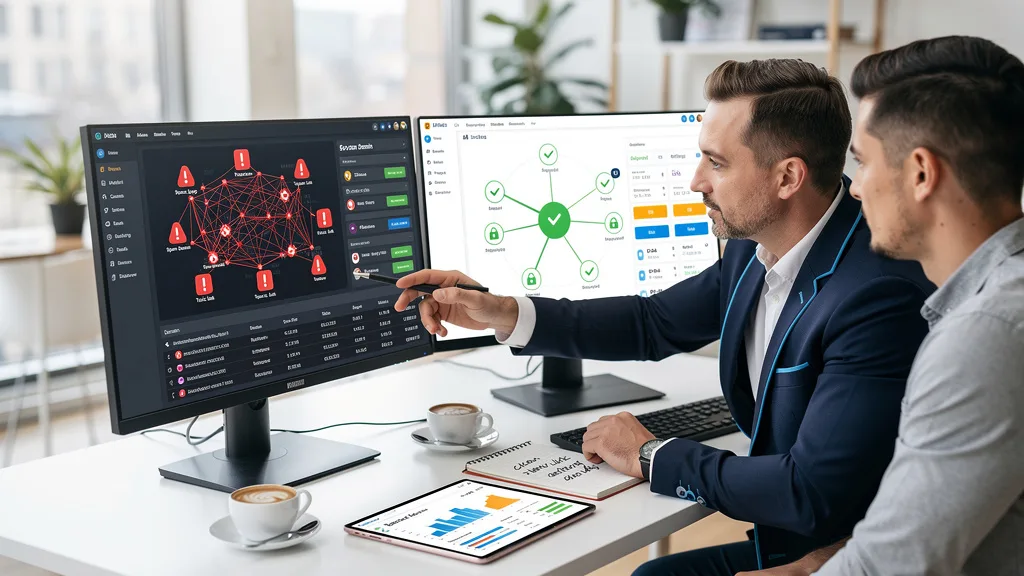
Conversely, you must learn to spot and avoid link farms. These are websites or collections of sites created solely for the purpose of selling links. Red flags include poor quality content, an outbound link profile pointing to a wide variety of unrelated niches, and a sudden drop in organic traffic. A quality provider will have access to real websites with genuine traffic and editorial standards.
Step 2: Prioritize Topical Relevance Over Domain Authority Alone
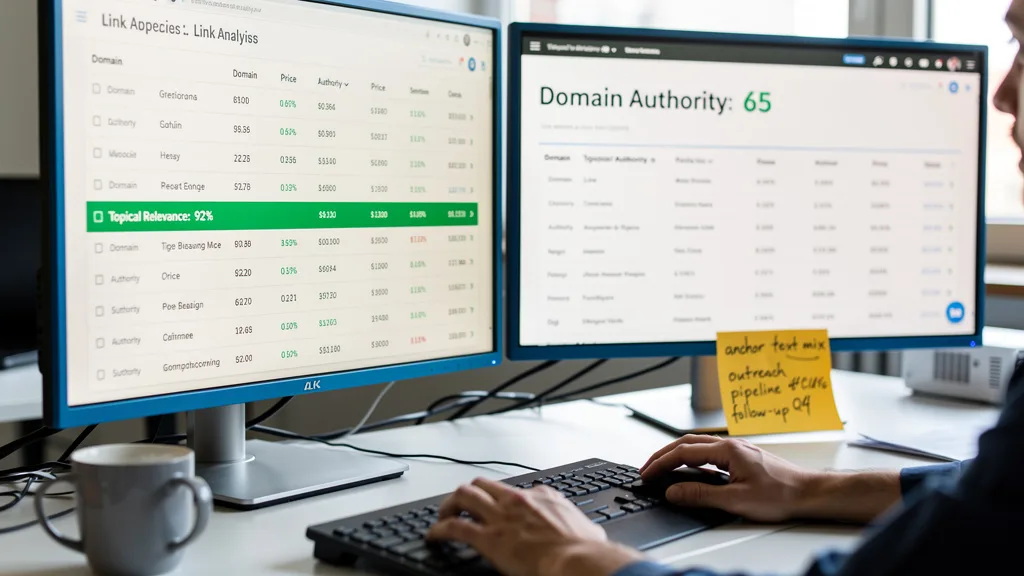
While high Domain Authority (DA) or Domain Rating (DR) is a good indicator of a site's strength, it should not be the only metric you consider. Topical relevance is arguably more important for a natural and effective link. A backlink from a moderately authoritative but highly relevant website in your niche is far more valuable than a link from a generic, high-DA news site with no connection to your industry.
For example, if you operate in the finance sector, a link from a respected financial blog or industry publication sends a strong contextual signal to Google. This relevance helps search engines understand what your site is about and establishes your authority within that specific field. Always strive for links from sites that share your audience and subject matter, as these are the most powerful endorsements. Our work with backlinks for finance sites has shown time and again that relevance is a key driver of results.
Step 3: Analyze the Target Website's Existing Link Profile
Before committing to a link placement, you must perform due diligence on the website itself. A site may have a high DR, but it could be inflated or propped up by spammy links. Use tools like Ahrefs, Semrush, or Moz to analyze the site's backlink profile, organic traffic trends, and the ratio of inbound to outbound links.
Look for a site with a healthy, natural-looking link profile from other authoritative sources. Check its historical traffic; a site that has experienced a sudden, sharp decline may have been penalized. A quality placement opportunity will be on a website that is actively growing and has editorial standards that protect it from association with low-quality or spammy domains.
Step 4: Diversify Your Anchor Text and Link Placement
One of the most obvious footprints of an unnatural link building campaign is over-optimized anchor text. If every backlink pointing to your page uses the exact same keyword-rich anchor, it's a major red flag for Google. A natural backlink profile includes a healthy mix of anchor text types.
Your strategy should incorporate branded anchors (e.g., "Kamaal SEO"), naked URLs (e.g., "kamaalseo.com"), generic anchors (e.g., "click here"), and partial-match or long-tail keyword anchors. This diversity mimics how websites naturally earn links over time and significantly reduces your risk profile. The placement of the link within the content should also feel organic and provide genuine value to the reader.
Step 5: Insist on Editorial Control and Full Transparency
When you buy a backlink, you are paying for a high-quality placement that looks and feels like a genuine editorial endorsement. This means you should work with providers who allow you to review the content before it's published. The article should be well-written, relevant, and useful to the target site's audience.
Full transparency is non-negotiable. Your provider should be open about the websites they work with and their methods for securing placements. If a provider is secretive or vague, it's a sign that they may be using risky tactics. A true partner will work with you to ensure every link placement strengthens your brand and authority.
Red Flags to Watch for When Vetting Backlink Providers
Knowing what to avoid is just as important as knowing what to look for. Certain claims and practices are clear indicators of a low-quality or high-risk backlink service. Steering clear of these providers will protect your website from potential penalties and ensure you're investing in long-term SEO value.
Guaranteed Rankings or Instant Results
Any SEO provider that guarantees a specific ranking, like "#1 on Google," is being dishonest. SEO is complex and influenced by hundreds of factors, many of which are outside of a provider's control, including algorithm updates and competitor actions. Legitimate experts know this and will instead focus on delivering high-quality work and showing progress through metrics like organic traffic growth and keyword improvements.
Similarly, be wary of promises of "instant results." Building authority through backlinks takes time. It can take weeks or even months for Google to crawl, index, and assign value to a new link. Providers who claim otherwise are likely using aggressive, short-term tactics that will ultimately harm your site.
Publicly Advertised "Guest Post" Packages
While guest posting is a legitimate strategy, you should be cautious of sites that have a public "write for us" page that explicitly mentions selling links or offers pre-set packages. These pages make it easy for Google to identify sites that are part of a link scheme. The best link placements come from real outreach and relationship-building, not from a public storefront.
A better approach is securing niche edits or link insertions in existing, relevant content, which often appear more natural. A sophisticated provider will have a private network of relationships with real site owners and editors, allowing them to secure placements that are not openly advertised to the public.
Use of Private Blog Networks (PBNs)
The term Private Blog Network (PBN) often carries a negative connotation, and for good reason. Many providers use low-quality PBNs built on expired domains with no traffic, which are easy for Google to detect and penalize. These networks leave an obvious footprint and are a significant red flag.
However, not all PBNs are created equal. A high-quality, professionally managed private network is entirely different. These networks consist of real websites with unique designs, quality content, and a clean history, all built with meticulous attention to avoiding footprints. When managed correctly, these high authority PBN links can be a powerful and safe tool for building authority in competitive niches.
Lack of Case Studies or Client References
Reputation and proof of performance are everything in the SEO industry. A provider who is confident in their services will be able to share case studies, client testimonials, or references that demonstrate their ability to deliver results. If a company is unwilling or unable to provide any proof of their past work, it's a strong signal that they may not have the experience or success they claim.
Ask for examples of their work in industries similar to yours. For instance, a provider specializing in the crypto space should be able to show how they've helped other crypto and Web3 clients achieve their goals. A lack of tangible proof is a risk you shouldn't be willing to take.
Understanding Backlink Pricing: What to Expect in 2026
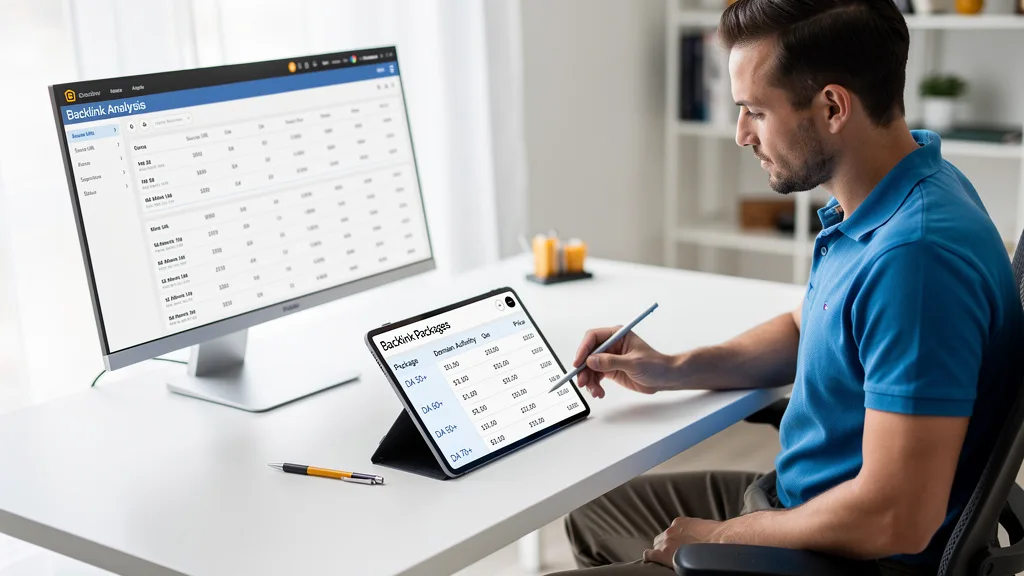
The cost of acquiring a high-quality backlink can vary widely, but one rule holds true: you get what you pay for. Cheap links, often priced under $100, are almost always low-quality, spammy, and dangerous. In 2026, investing in a proper link building campaign requires a realistic budget, as you are paying for the provider's expertise, relationships, and the quality of the placement site.
Prices are influenced by several factors, including the website's Domain Rating (DR), its organic traffic, the niche's competitiveness, and whether content creation is included. A link from a DR 70+ site with substantial organic traffic will naturally cost significantly more than one from a DR 40 site. Be prepared to invest in quality to see a meaningful return on your investment. For a detailed breakdown, you can review our backlink pricing structure.
| Link Type | Typical Domain Rating (DR) | Estimated Cost Range (per link) | Best For |
|---|---|---|---|
| Niche Edit / Link Insertion | DR 30-60+ | $150 - $600+ | Quickly gaining relevant, contextual links. |
| Guest Post | DR 40-70+ | $250 - $1,500+ | Building brand authority and controlling the surrounding content. |
| High-Tier Authority Link | DR 70-90+ | $1,000 - $5,000+ | Making a significant impact in highly competitive niches. |
How to Monitor Your Backlink Profile After Purchase
Your work isn't finished once the link is live. It's essential to monitor your backlink profile to ensure the links you've acquired are indexed and remain active. Use tools like Google Search Console, Ahrefs, or Moz to track your new referring domains. Set up alerts to be notified of new links pointing to your site.
Regularly review your link profile for any signs of trouble. Check that the anchor text distribution remains diverse and natural. More importantly, monitor your organic traffic and keyword rankings for positive changes. If you ever acquire a link that seems toxic or if a previously good site becomes spammy, you can use Google's Disavow Tool to ask the search engine to ignore it, protecting your site from potential harm.
"In 2026, the safest way to buy high authority backlinks is to treat the process like a strategic partnership, not a simple transaction. Focus on relevance and quality, and the SEO results will follow without risking penalties."
Key Takeaways
Navigating the world of paid backlinks can be complex, but a safe and effective strategy is achievable. Here are the key points to remember to ensure your efforts lead to sustainable growth, not penalties.
- Quality Over Quantity: One high-authority, relevant backlink is worth more than hundreds of low-quality, spammy ones. Always prioritize quality.
- Relevance is King: A link's value is heavily influenced by its topical relevance. Seek placements on sites that are directly related to your industry and audience.
- Vet Providers Thoroughly: Work only with transparent, reputable providers who can show case studies and are clear about their methods. Avoid anyone promising guaranteed rankings.
- Diversify Everything: Maintain a natural profile by diversifying your anchor text, the types of links you acquire (e.g., guest posts, niche edits), and the pages you link to.
- Monitor and Maintain: Continuously track your backlink profile after purchase to ensure links are indexed and to identify and disavow any toxic links that may appear.
Frequently Asked Questions
How can you get high-authority backlinks without paying?
Earning high-authority backlinks organically is possible through methods like creating exceptional content that people naturally want to share, digital PR campaigns, and participating in expert roundups. You can also use services like Help a Reporter Out (HARO) to provide quotes to journalists in exchange for a link. However, these methods require significant time and resources and offer no guarantee of success, which is why many businesses choose to accelerate the process through safe acquisition.
What is the difference between buying a link and earning one through outreach?
The primary difference is the transaction. Earning a link involves building genuine relationships and providing value, with the link being a natural byproduct. Buying a link involves a financial payment to a site owner or provider for a specific placement. The goal of a high-quality link building service is to make a purchased link indistinguishable from an earned one by ensuring it is editorially justified, relevant, and placed within valuable content on a real website.
Can Google reliably detect all purchased backlinks?
No, Google cannot reliably detect all purchased backlinks. Its algorithms are very effective at identifying large-scale, low-quality link schemes, public blog networks, and other obvious footprints. However, a high-quality, editorially placed link on a relevant, authoritative website looks identical to an earned link. This is why investing in quality and working with expert providers who prioritize discretion and safety is paramount.
How long does it take to see SEO results from new backlinks?
The timeline for seeing results from new backlinks can vary, typically from a few weeks to several months. Factors influencing this include the authority of the linking domain, how quickly Google crawls and indexes the link, your site's overall authority, and the competitiveness of your target keywords. Link building is a long-term strategy, and patience is key. You should look for gradual, steady improvements rather than overnight success.
Is it better to acquire one expensive link or multiple cheaper ones?
It is almost always better to acquire one expensive, high-quality link than multiple cheap ones. A single link from a top-tier, authoritative site like Forbes or a major industry publication can have a more significant impact on your SEO than dozens of links from low-quality, irrelevant blogs. Cheap links often come from link farms and carry a high risk of penalties. Investing in high DR backlinks is a far safer and more effective long-term strategy.
Conclusion
Learning how to buy high authority backlinks without getting penalized in 2026 is about shifting your mindset from chasing easy shortcuts to making strategic investments in your site's authority. By focusing on provider vetting, topical relevance, and creating a natural link profile, you can leverage the power of backlinks to achieve significant SEO growth safely. The key is to prioritize quality over quantity and partner with experts who understand how to navigate the complexities of Google's guidelines.
If you're ready to build a powerful backlink profile that drives real results for your business in a competitive niche, our team is here to help. We specialize in creating custom link building strategies for clients in finance, crypto, iGaming, and beyond. Get a Link Plan today to discuss your goals with one of our SEO specialists.