Are you ready to leverage the power of aged, authoritative content but worried about making a costly mistake with your link building budget? Securing high-quality backlinks is one of the most effective ways to improve your search engine rankings, but navigating the market for placements can be challenging. This guide provides a clear, step-by-step process to ensure you invest wisely and achieve the results you need.
Buying niche edits involves a careful vetting process where you identify relevant, high-authority websites, analyze their SEO metrics and traffic history, and negotiate a contextual link placement within an existing article. This checklist provides a step-by-step framework to ensure you acquire high-quality links that boost your rankings safely and effectively in 2026. Following these steps helps you avoid common pitfalls and maximize your return on investment.
Understanding Niche Edits Before You Buy
Before you spend a single dollar, it's essential to understand what a niche edit is, how it works, and how it compares to other link building tactics. This foundational knowledge will empower you to make informed decisions and identify true value when speaking with providers. A clear understanding of the fundamentals separates a successful campaign from a wasted budget.
What Is a Niche Edit and Is It Still Effective for SEO?
A niche edit, also known as a curated link or link insertion, is the process of adding your hyperlink into an existing, aged, and topically relevant piece of content on another website. Unlike a guest post where you provide new content, a niche edit leverages the authority and history of a page that is already indexed and often ranking in Google. This established credibility is what makes the link so powerful.

In 2026, niche edits remain highly effective for SEO. Because the placement occurs on an established page, the link equity can pass to your site much faster than a link from a brand-new article. Search engines already trust the host page, so your link benefits from that existing authority immediately, often leading to quicker ranking improvements for your target keywords.
Niche Edits vs Guest Posts: Key Differences Explained
While both niche edits and guest posts are popular link building strategies, they function very differently. The primary distinction lies in the content: a niche edit is placed within existing content, whereas a guest post involves creating an entirely new article for the host website. This fundamental difference impacts everything from cost and effort to the speed at which you see results.
Understanding these differences is key to building a balanced link building strategy. For instance, you might use a niche edit to quickly boost a specific page, while a guest post could be used for broader brand building and thought leadership. For a deeper dive into this comparison, see our guide on niche edits versus guest posts.
| Feature | Niche Edits | Guest Posts |
|---|---|---|
| Content Creation | None required; link is added to existing content. | Requires writing a new, original article. |
| Placement | Within an aged, indexed, and relevant article. | On a brand-new page or post. |
| Speed to Impact | Faster, as the page already has authority. | Slower, as the new page needs to be indexed and gain authority. |
| Control Over Context | Less control; must fit into existing text. | Full control over the content and anchor text context. |
| Typical Cost | Often lower as no content creation is involved. | Can be higher due to content writing and editorial review. |
Following a structured process is the best way to ensure you acquire high-value links that move the needle. This Niche Edit Buying Checklist: 10 Steps for First Time Buyers breaks down the entire process, from initial strategy to post-purchase monitoring. Use these steps to navigate the market with confidence and avoid low-quality placements.
Step 1: Define Your SEO Goals and Target Pages
Before you start looking for placements, you must know what you want to achieve. Are you trying to improve the ranking for a specific high-intent commercial page, or are you aiming to boost the overall authority of your domain? Your goal will determine which of your pages you should build links to.

Select target pages that have the most potential for revenue or conversions. These are often product pages, service pages, or key informational articles that attract qualified leads. Having a clear target ensures your link building investment is directly tied to business outcomes.
Step 2: Set a Realistic Budget for Placements
Niche edit prices can vary dramatically, from under $100 to well over $1,000. The cost is typically influenced by the website's SEO metrics, such as Domain Rating (DR), organic traffic, and topical relevance. Setting a realistic budget helps you filter providers and focus on opportunities that align with your financial plan.
Remember that when it comes to link building, you often get what you pay for. Extremely cheap offers are a major red flag and often lead to placements on low-quality sites or private blog networks (PBNs) that can harm your site. Allocate a budget that allows you to target reputable websites with real traffic.
Step 3: Identify Potential Websites and Providers
There are several ways to find niche edit opportunities. You can perform manual outreach by searching for relevant articles and contacting webmasters directly, though this is time-consuming. Alternatively, you can work with a link building agency or a reputable niche edit service that has an established inventory of vetted websites.
Using a trusted provider can save you significant time and reduce risk, as they handle the outreach, vetting, and negotiation process for you. When evaluating services, look for transparency, case studies, and clear communication about their process and the quality of their sites.
Step 4: Analyze Key SEO Metrics for Vetting
Once you have a list of potential sites, you must vet them using key SEO metrics. These data points give you an objective measure of a site's authority and health. While tools from Ahrefs, SEMrush, and Moz use different names for their metrics, they all aim to quantify a site's backlink profile strength.
Focus on these core metrics:
- Domain Rating (DR) / Domain Authority (DA): A score from 0-100 that predicts a site's backlink strength. Aim for sites with a DR of 30 or higher, and ensure it's relevant to your own site's level.
- Organic Traffic: Look for sites with consistent, real organic traffic. A site with high DR but no traffic is a red flag. A minimum of 1,000 monthly organic visitors is a good starting point.
- Referring Domains: The number of unique websites linking to the target site. A high number from diverse, quality sources is a positive signal.
Step 5: Assess Website Relevance and Content Quality
Metrics alone are not enough. The most important factor for a valuable backlink is relevance. The host website and the specific article should be closely related to your industry and the topic of your target page. A link from a relevant site sends a much stronger signal to Google.
Take the time to actually read the website and the proposed article for placement. Is the content well-written, informative, and professional? Does the site look legitimate and well-maintained? If the quality is poor, the link will have little value, regardless of its metrics.
Step 6: Check for a Natural Outbound Link Profile
A healthy website links out to a variety of authoritative sources. However, a site that links out excessively to low-quality or spammy websites is a major red flag. These sites are often part of a PBN or have been penalized by Google. You must analyze the site's outbound link profile to avoid association with these bad neighborhoods.
Use an SEO tool to inspect the site's external links. Look for a natural pattern of linking to relevant, authoritative resources. If you see numerous links to niches like casinos, payday loans, or adult sites (unless that is your niche), it is best to avoid that website. The distinction between a legitimate site and a PBN can be subtle, so understanding the difference is key. For more on this, read our guide on PBNs vs. guest posts vs. niche edits.
Step 7: Review Historical Traffic and Ranking Trends
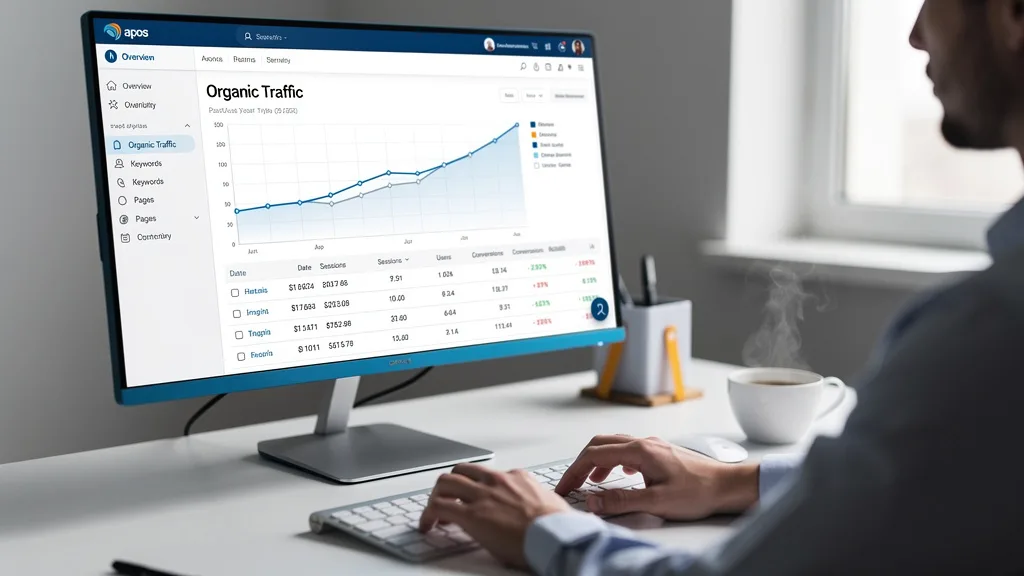
A website's history tells a story. Before buying a link, use a tool like Ahrefs or SEMrush to look at the site's organic traffic and keyword ranking trends over the past year or more. You want to see a history of stable or, ideally, growing traffic. This indicates a healthy site that Google views favorably.
Be extremely cautious of sites with sharp, sudden drops in traffic. This often signifies a Google algorithm penalty, and a link from such a site could do more harm than good. A clean, upward-trending traffic graph is one of the strongest indicators of a high-quality placement opportunity.
Step 8: Spot Red Flags of a Low-Quality Provider
The link building industry has its share of low-quality operators. Knowing how to spot them can save you time, money, and potential SEO headaches. Be wary of providers who exhibit any of the following characteristics.
- Unbelievably Low Prices: Offers like "10 DR 50+ links for $200" are almost certainly from a PBN. Quality outreach and placement have real costs.
- Lack of Transparency: A reputable provider will be willing to share the URLs for your approval before you pay. Avoid any service that keeps its sites a secret.
- Guaranteed Rankings: No one can guarantee a specific ranking in Google. Such claims are a hallmark of an untrustworthy service.
- Poor Communication: Vague answers, slow responses, and unprofessional communication are all signs you should look elsewhere.
Trust your instincts. If a deal seems too good to be true, it probably is. Learning how to buy niche edits safely is a critical skill.
Step 9: Negotiate Anchor Text and Placement Details
The anchor text, or the clickable text of your link, is a critical SEO element. You should have a say in what anchor text is used. While exact match anchors can be powerful, they can also look unnatural if overused. A good strategy includes a mix of partial match, branded, and generic anchors.
Discuss the placement with the provider. The link should be added in a way that is contextually relevant and makes sense for the reader. It should not feel forced or out of place. Confirm that your link will not be marked as "sponsored" or "nofollow," as this would negate most of the SEO value.
Step 10: Confirm Pricing and Finalize the Purchase
Once you have vetted the site and agreed on the details, the final step is to confirm everything in writing. Get a clear agreement that specifies the target URL, the anchor text, the placement URL, and the final price. This ensures there are no misunderstandings later.
Most providers will require payment upfront. Use a secure payment method and request an invoice for your records. A professional service will have a smooth and transparent payment process. After payment, you should receive a confirmation that the order is in progress.
What to Do After Your Niche Edit Is Live
Your work isn't finished once the link is placed. Proper monitoring and tracking are essential to measure the impact of your investment and ensure the link remains active. This follow-up process allows you to quantify the ROI of your campaign and make data-informed decisions for future link building efforts.
Monitoring Your Link and Tracking SEO Impact
First, verify that the link is live at the agreed-upon URL and that the anchor text is correct. Use Google Search Console's URL Inspection tool to see if Google has crawled the page since your link was added. Next, set up tracking to monitor the results over the following weeks and months.

Use a rank tracking tool to watch for changes in keyword rankings for your target page. Also, monitor your Google Analytics and Google Search Console data for increases in organic traffic and impressions. While results are not instantaneous, you should start to see positive movement within a few weeks to a couple of months.
Key Takeaways
Successfully buying niche edits in 2026 comes down to a methodical and diligent process. Rushing into purchases without proper vetting is the most common path to wasted money and poor results. Here are the most important points to remember from this guide:
- Strategy First: Always begin by defining your SEO goals and identifying the key pages you want to rank.
- Vet Thoroughly: Do not rely on a single metric. A quality placement requires a blend of strong SEO metrics (DR, traffic), high topical relevance, and excellent content quality.
- Look for Red Flags: Be skeptical of deals that seem too good to be true. Analyze historical traffic trends and outbound link profiles to avoid penalized sites and link farms.
- Monitor Everything: After the link is live, track your keyword rankings and organic traffic to measure the impact and ensure your investment is paying off.
Frequently Asked Questions
Here are answers to some of the most common questions first-time buyers have about niche edits.
How much should I pay for a niche edit?
The cost of a niche edit typically ranges from $75 to over $1,000. Prices are based on factors like the website's Domain Rating (DR), organic traffic, niche, and overall quality. Higher-traffic, authoritative sites in competitive industries command higher prices. Be cautious of very cheap offers, as they often come from low-quality PBNs.
How long does it take to see results from niche edits?
You can often see results from niche edits faster than from other link building methods, typically within 3 to 8 weeks. Because the link is placed on an already aged and indexed page, Google can discover it and pass authority more quickly. However, the exact timeline can vary based on your site's authority and the competitiveness of your keywords.
What are the best niche edit services in 2026?
The best niche edit services in 2026 are those that prioritize transparency, quality, and communication. Look for providers who allow you to approve websites before purchase, provide detailed metrics for each site, have a strong inventory of real websites with genuine traffic, and offer excellent customer support. Case studies and positive client reviews are also strong indicators of a reputable service.
What are the top alternatives to niche edits for building backlinks?
Top alternatives to niche edits include guest posting, where you write a new article for another site, and digital PR or HARO (Help a Reporter Out), where you provide expert quotes to journalists in exchange for a link. Resource page link building, where you get your site added to a curated list of helpful links, is another effective strategy.
Are niche edits considered a white-hat SEO tactic?
Niche edits fall into a gray-hat SEO category. According to Google's webmaster guidelines, any link that is paid for should be marked as sponsored. However, when a niche edit is done correctly on a highly relevant site and the link adds value to the reader, it appears as a natural editorial endorsement. This is why they remain a popular and effective, albeit technically gray-hat, strategy.
Conclusion
Using this 10-step checklist provides a reliable framework for navigating the niche edit marketplace. By prioritizing thorough vetting, focusing on genuine quality signals like relevance and historical traffic, and carefully monitoring your results, you can confidently invest in backlinks that deliver tangible SEO growth. This methodical approach transforms link buying from a gamble into a strategic investment in your website's long-term success.
Navigating the world of link building can be complex, but with the right strategy, it is a powerful driver of growth. If you are ready to build a high-impact backlink profile without the guesswork, our team is here to help. We can create a custom link building plan tailored to your goals. Ready to start? Get a Link Plan today.