Are you looking for a way to give your SEO strategy a significant and immediate boost? Buying aged domains allows you to harness pre-existing authority and backlinks, but navigating the market requires a careful, strategic approach to avoid costly mistakes. This process involves more than just finding a domain with a high authority score; it demands a deep dive into its history, backlink profile, and relevance to your niche.
To successfully buy aged domains for PBNs from an SEO domains marketplace, you must first define your niche, then find a reputable marketplace and meticulously analyze each domain's history, backlink profile, and SEO metrics. It is crucial to check for Google penalties and potential trademark risks before completing the purchase. This complete guide for 2026 walks you through every step, ensuring you acquire valuable digital assets instead of abandoned properties hiding serious issues.
What Are Aged and Expired Domains?
Understanding the terminology is the first step in this process. An expired domain is a registered web address that the previous owner failed to renew. After a grace period, it becomes available for public registration. These domains are essentially reset, though they may retain some residual SEO value from their past life. Anyone can register them on a first-come, first-served basis through a standard domain registrar.

Aged domains, on the other hand, are domains that were registered years ago and have a history of being live websites. They may be currently expired and available, or they might be actively sold by their current owner at auction or on a marketplace. The key difference is their established history, which often includes a valuable backlink profile and indexed pages. For SEO purposes, aged domains are generally more sought after because they carry established authority that can be leveraged immediately.
Why Use Aged Domains to Build a Powerful PBN?
Using aged domains is a powerful strategy to fast-track the effectiveness of a Private Blog Network (PBN). A new domain starts with zero authority and requires significant time and resources to build a credible backlink profile. Aged domains offer a major head start by inheriting the authority, trust, and backlinks accumulated over years. This pre-existing equity means that links from a PBN built on aged domains can pass more powerful ranking signals to your money site much faster.
"Using aged domains gives your PBN an immediate head start, leveraging years of established authority that new domains simply can't match. For competitive niches like finance and iGaming, this isn't just an advantage; it's often a necessity to compete effectively."

Furthermore, these domains often have an established history in a specific niche. When you acquire a domain that was previously a legitimate blog or business in your target industry, its relevance is already established in Google's eyes. This makes the content you publish and the links you build from it appear more natural and authoritative. Building a network with high-quality, relevant high authority PBN links from aged domains is one of the most efficient ways to boost SEO performance for your primary websites.
How to Buy Aged Domains: A Step-by-Step Guide for 2026
Acquiring the right aged domain is a systematic process. Rushing in can lead to purchasing a domain with a toxic backlink profile or a hidden manual penalty. Following these steps will help you identify valuable opportunities and mitigate risks, ensuring your investment pays off with tangible SEO results.
Step 1: Define Your Niche and SEO Objectives
Before you even start browsing a marketplace, you need to have a clear vision. What is the primary purpose of this PBN? Are you trying to rank a website in the finance, crypto, or real estate niche? The aged domains you purchase must be topically relevant to the money site you intend to boost. A domain with a history in pet care will provide little value to a fintech startup.

Define your objectives clearly. Are you looking to increase overall domain authority, rank for specific keywords, or drive referral traffic? Your goals will influence the type of domains you look for. For example, if you're targeting a highly competitive industry like iGaming, you'll need domains with a very strong and clean backlink profile from authoritative sources. A clear plan for your crypto PBN links and link building strategy will guide your entire purchasing process.
Step 2: Find a Reputable SEO Domains Marketplace
Once you know what you're looking for, the next step is to find a reliable place to buy. There are several platforms dedicated to selling aged and expired domains, ranging from auction sites to curated marketplaces. A reputable marketplace provides transparent data, including key SEO metrics, domain history, and backlink information. They should vet their listings to filter out spammy or penalized domains.
Popular options include dedicated marketplaces like Odys Global, which focuses on premium, brandable domains, and auction platforms like GoDaddy Auctions or DropCatch. When evaluating a marketplace, look for user reviews, clear pricing structures, and robust filtering options that allow you to search by niche, metrics, and age. Exploring forums and communities can also reveal what is the best digital marketplace according to other SEO professionals' experiences.
Step 3: Analyze the Domain's History and Past Use
Never buy a domain blind. You must investigate its past to ensure it wasn't used for spam, a link farm, or illicit activities. The most essential tool for this is the Wayback Machine (Archive.org). Enter the domain and browse through its historical snapshots. Look at what the website was about, the quality of its content, and how its purpose may have changed over the years.
Red flags include sudden changes in topic, foreign language content appearing on an English site, or evidence of it being used as a PBN by someone else. A clean history shows a consistent focus on a single topic, which adds to its topical relevance and authority. This historical context is vital for understanding the true value and risk associated with the domain. high authority PBN links.
Step 4: Evaluate Key SEO Metrics and Backlink Profile
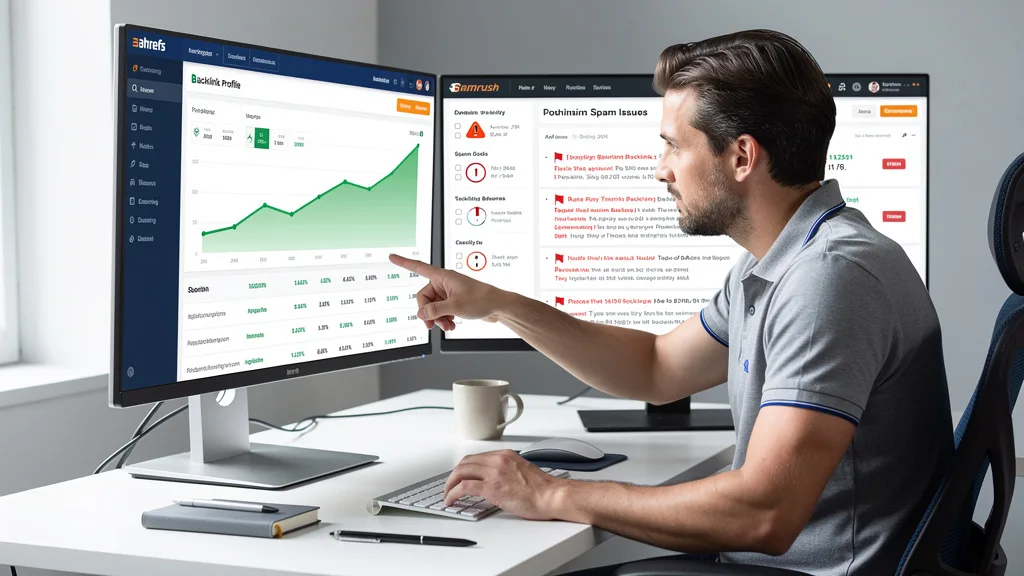
Metrics provide a quantitative snapshot of a domain's strength. While no single metric tells the whole story, a combination of them can help you gauge a domain's potential. Use tools like Ahrefs, Moz, and Majestic to analyze the backlink profile and authority scores. When you buy expired domains, this data-driven approach is non-negotiable.
The backlink profile is the most critical asset of an aged domain. Look for links from high-authority, relevant websites. A few powerful links from trusted sources are far more valuable than thousands of low-quality links from spammy directories. Analyze the anchor text distribution to ensure it looks natural and isn't over-optimized for specific commercial keywords. This step helps differentiate a valuable asset from a potential liability, a key topic covered in our guide on PBNs vs guest posts vs niche edits.
| Metric | Tool(s) | What to Look For |
|---|---|---|
| Domain Rating (DR) / Domain Authority (DA) | Ahrefs / Moz | A score of 20+ is a good starting point, but context matters. Higher is generally better, assuming a clean profile. |
| Trust Flow (TF) & Citation Flow (CF) | Majestic | Look for a high Trust Flow and a healthy TF/CF ratio (ideally close to 1:1, but TF above 0.5 of CF is good). |
| Referring Domains (RDs) | Ahrefs, SEMrush | Focus on the quality and relevance of linking domains, not just the quantity. Aim for links from real sites in your niche. |
| Backlink History | Ahrefs | Check the 'Lost' backlinks report. A sudden, massive drop in links can be a red flag for a past penalty or cleanup. |
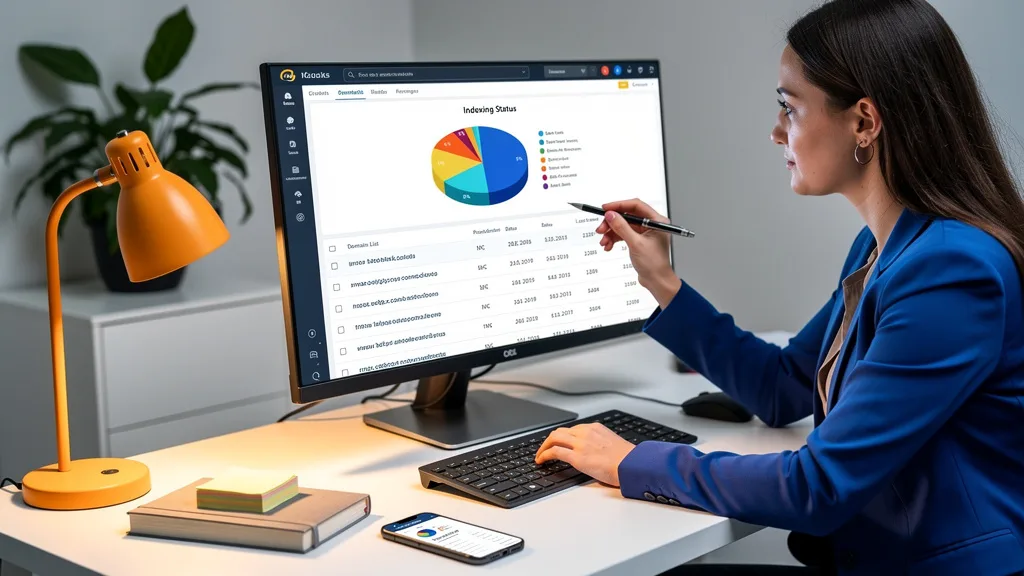
| Index Status | Google Search | Use the 'site:domain.com' search operator. If no pages are indexed, the domain may be penalized or deindexed. |
Step 5: Check for Google Penalties and Spam Signals
An aged domain with a powerful backlink profile is worthless if it has been penalized by Google. A manual penalty will prevent the site from ranking, and the authority it holds will not be passed through its links. The easiest way to check for a penalty is to see if the domain is indexed in Google. Use the `site:domain.com` search operator. If Google returns zero results, the domain is likely deindexed, which is a major red flag.
Beyond indexation, look for other spam signals. Analyze the anchor text profile for an overabundance of spammy or foreign-language keywords. Check for a history of redirects to questionable sites. Tools like SEMrush and Ahrefs can help identify toxic backlinks that may have contributed to a penalty. Cleaning up a penalized domain is a difficult and uncertain process, so it's best to avoid them altogether.
Step 6: Verify Trademark Status and Potential Legal Risks
This is a step that many people overlook, but it can save you from significant legal headaches. Before you purchase a domain, especially one that was a former brand or business, check if the name is a registered trademark. You can perform a search on the U.S. Patent and Trademark Office (USPTO) website or other international trademark databases.
Using a trademarked name, even for a PBN, can lead to a cease-and-desist letter or a lawsuit. Even if the original company is defunct, the trademark may have been acquired by another entity. It's always safer to choose generic, keyword-rich domains or expired brand names that were never trademarked. This due diligence protects your investment and your business from unnecessary legal risks.
Step 7: Securely Purchase and Transfer the Domain
Once you've found a domain that passes all your checks, it's time to make the purchase. Use a reputable platform that offers a secure transaction process, such as an escrow service. This ensures that the seller doesn't receive payment until you have successfully gained control of the domain. Avoid direct deals with unknown sellers who request payment through irreversible methods.
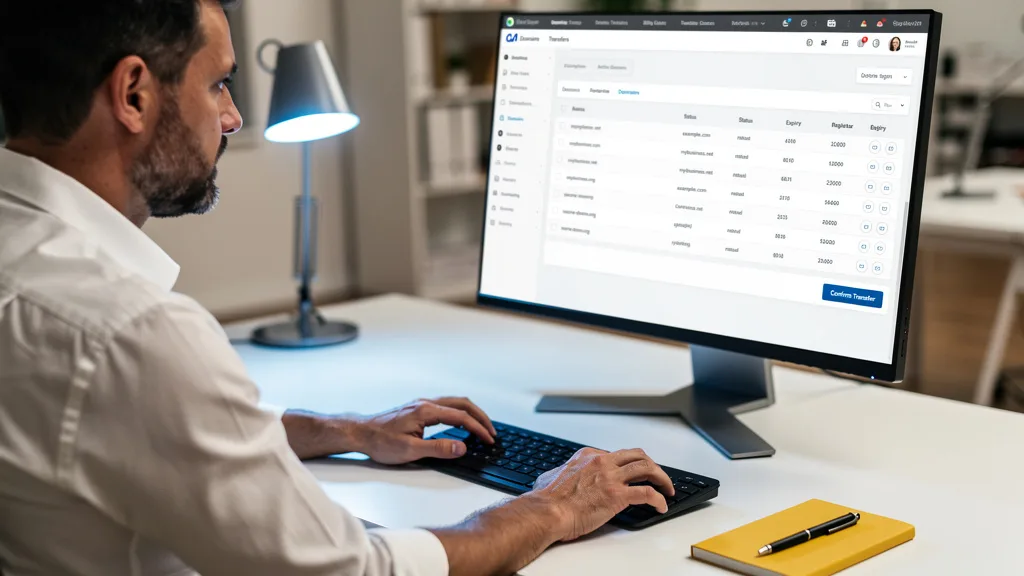
After the purchase, you will need to transfer the domain to your preferred registrar. The seller will provide you with an authorization code (also known as an EPP code) to initiate the transfer. Follow your registrar's instructions carefully. Once the transfer is complete, update the WHOIS information to reflect your ownership and ensure the domain's privacy settings are configured to your preference. This final step secures your new digital asset.
Common Mistakes to Avoid When Buying Expired Domains
Navigating the market for aged domains can be treacherous. Many aspiring PBN builders make costly errors that undermine their SEO efforts. By being aware of these common pitfalls, you can make smarter purchasing decisions and maximize the return on your investment.
- Ignoring the Domain's History: One of the biggest mistakes is buying a domain based solely on high DA or DR scores. You must use tools like the Wayback Machine to verify the domain was not previously used for spam or adult content.
- Purchasing Irrelevant Domains: A high-authority domain from the fashion niche will do little to help your crypto website. Topical relevance is paramount for passing effective link equity.
- Overlooking the Backlink Profile Quality: Don't be fooled by a high number of referring domains. Scrutinize the quality of the links. A profile full of spammy, low-quality links can do more harm than good.
- Forgetting to Check for Google Penalties: A deindexed domain is a worthless asset for SEO. Always perform a `site:domain.com` check in Google to ensure the domain is indexed before buying.
- Neglecting Trademark Checks: Buying a domain with a trademarked name, even if the brand is defunct, can expose you to legal action. Always perform a trademark search.
- Falling for Overpriced Listings: While good aged domains are valuable, some sellers inflate prices based on vanity metrics. Compare prices across different marketplaces and be realistic about a domain's true value. Consider whether a niche edit and link insertion service might be a more cost-effective alternative.
Key Takeaways
Successfully acquiring aged domains for your PBNs in 2026 hinges on a methodical and diligent approach. Here are the most critical points to remember from this guide: indexed pages.
- History is Everything: An aged domain's value is rooted in its clean, relevant history. Never skip the analysis of its past use with tools like the Wayback Machine.
- Metrics Guide, They Don't Rule: Use metrics like DA, DR, and TF to filter domains, but always prioritize the quality and relevance of the backlink profile over raw scores.
- Relevance is Non-Negotiable: The domain must be topically aligned with your money site to provide any significant SEO benefit. An irrelevant domain is a wasted investment.
- Due Diligence Prevents Disasters: Always check for Google penalties and potential trademark infringements. These two simple checks can save you from major financial and legal problems down the line.
- Use Reputable Marketplaces: Stick to trusted platforms that offer transparency and secure transactions to protect your investment. A good starting point can be found on platforms like Buy aged domains from Odys for premium options.
Frequently Asked Questions
How much does a high-quality aged domain cost?
The cost of a high-quality aged domain can vary dramatically, from under $100 to tens of thousands of dollars. The price is influenced by factors like the strength of its backlink profile (DR/DA), the quality and authority of its referring domains, its age, and its topical relevance. A domain with a clean history and powerful links from sites like Forbes or the BBC in a competitive niche like finance will command a premium price.
For a solid domain suitable for a PBN, you can expect to pay anywhere from $200 to $2,000 in 2026. However, premium domains sold on curated marketplaces can easily exceed $5,000. It's crucial to evaluate the return on investment. A more expensive domain that can significantly move the needle on your rankings might be a better value than several cheaper, weaker domains.
What is the difference between an aged domain and an expired domain?
The terms are often used interchangeably, but there's a subtle distinction. An expired domain is one that has not been renewed by its owner and has gone through the deletion cycle, making it available for anyone to register for a standard fee. It may or may not have a valuable history.
An aged domain specifically refers to a domain with a significant history of existence and, typically, an established backlink profile. An aged domain can be one that is currently expired, or it could be one that is actively registered and being sold by its owner at an auction or on a marketplace. For SEOs, the focus is on the 'aged' quality, as this is where the authority comes from.
What are the main risks of using aged domains for PBNs?
The primary risk is acquiring a domain with a hidden issue that renders it useless or even harmful. This includes purchasing a domain with a past or present Google penalty, which means any links from it will pass no value. Another major risk is a toxic backlink profile filled with spammy links that could associate your money site with a bad neighborhood.
Additionally, there are legal risks if you inadvertently purchase a domain with a trademarked name. Finally, there's the financial risk of overpaying for a domain whose metrics are inflated or whose backlinks are not as powerful as they appear. Thorough due diligence is the only way to mitigate these risks effectively.
How quickly can you see SEO results from an aged domain?
One of the main benefits of using an aged domain is the speed of results. Because the domain already has authority, links from a site built on it can have an impact much faster than links from a brand-new site. You can often see positive movement in search rankings within a few weeks to a couple of months after placing a link.
However, the timeline depends on several factors, including the strength of the aged domain, the competitiveness of the target keywords, and the overall quality of your money site's SEO. For a well-chosen aged domain with relevant content and a powerful link pointing to your site, initial results can be surprisingly fast compared to traditional link-building methods.
What are the best tools for checking a domain's history?
A combination of tools is essential for a comprehensive check. The first and most important tool is the Wayback Machine (Archive.org), which provides historical snapshots of the website's content and design over the years. This helps you understand what the site was about and if it was ever used for spam.
For analyzing the backlink profile and SEO metrics, tools like Ahrefs are invaluable. Ahrefs provides data on Domain Rating, referring domains, anchor text, and backlink history. Majestic is another excellent tool, particularly for its Trust Flow and Citation Flow metrics, which help gauge the quality of a domain's backlinks. Finally, a simple Google search using the `site:domain.com` operator is crucial for checking a domain's index status.
Conclusion
Mastering the SEO domains marketplace is a game-changing skill for anyone serious about building a powerful PBN in 2026. By following a structured process of defining your goals, conducting meticulous research, and verifying every detail from domain history to legal status, you can acquire digital assets that provide a true competitive edge. This guide provides the framework to avoid common pitfalls and invest wisely, turning abandoned digital properties into pillars of your SEO strategy. The key is to prioritize quality and relevance over vanity metrics at every step.
Ready to build a powerful link-building campaign without the guesswork of finding domains yourself? Our team specializes in creating and managing high-performance PBNs and link-building strategies for competitive industries. Let us build a custom plan tailored to your SEO goals. Get a Link Plan today and start seeing results.