
Are you sure that high-DR niche edit placement you just secured is a powerful asset and not a ticking time bomb for your client's rankings? Without a rigorous vetting process, you could be buying a link on a site that is one Google update away from collapse, taking your client's hard-earned SERP positions with it.
A niche edit site vetting checklist is a systematic process SEO consultants use to evaluate a website's health, authority, and relevance before placing a link. It involves analyzing domain metrics, organic traffic trends, backlink profiles, content quality, and technical SEO factors. This ensures the link will pass positive value and helps you avoid association with spammy or penalized sites, which is crucial for sustainable growth in 2026.
Why a Niche Edit Vetting Checklist Is Non-Negotiable
In the world of off-page SEO, not all links are created equal. A niche edit, also known as a link insertion, can be an incredibly powerful tool, placing your link within an existing, indexed piece of content that already has authority. However, the potential for reward comes with significant risk. Placing a link on a low-quality, irrelevant, or penalized website can do more harm than good, leading to wasted budgets, ranking drops, or even manual penalties from Google.
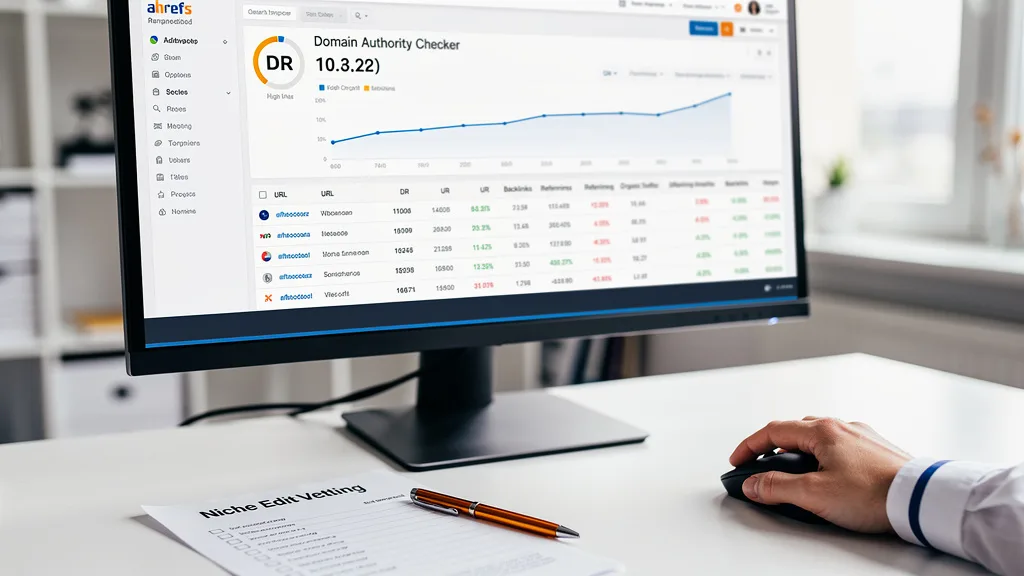
This is why a comprehensive Niche Edit Site Vetting Checklist for SEO Consultants is not just a best practice, it's a fundamental risk management strategy. For agencies and consultants working in high-stakes niches like finance, crypto, and iGaming, the margin for error is zero. A disciplined vetting process ensures every dollar spent on link building contributes to positive, long-term growth and protects your clients from the toxic side of the web. It separates professional SEOs from amateurs who chase high DR metrics without understanding the story behind the numbers.
The Core Site Vetting Checklist for Niche Edits in 2026
A successful niche edit strategy hinges on a multi-phase evaluation process. Simply glancing at a site's Domain Rating (DR) or Domain Authority (DA) is not enough. To truly understand a site's value and safety, you must dig deeper into its history, performance, and overall health. Our five-phase checklist provides a structured framework for a comprehensive audit.

Following these steps systematically will help you identify strong opportunities and, more importantly, steer clear of problematic sites that could jeopardize your SEO campaigns. Each phase examines a different facet of the website, from its raw authority metrics to the quality of its user experience, giving you a holistic view before you commit to a placement.
Phase 1: Initial Domain and Authority Analysis
The first step is a high-level assessment of the domain's authority and history. Start by checking key metrics from trusted SEO tools, such as Ahrefs' Domain Rating (DR), Moz's Domain Authority (DA), or Semrush's Authority Score. While these scores are not definitive, they provide a quick benchmark of the site's overall backlink strength. A site with a DR below 30, for example, might not be worth the effort unless it's in a very specific, low-competition niche.
Beyond metrics, investigate the domain's age and history. Use the Wayback Machine (Archive.org) to see what the site looked like in the past. Has it always been a legitimate site in its current niche, or was it previously a spam site, a dropped domain, or something completely unrelated? A clean, consistent history is a strong positive signal. You can learn more about how to verify high DR backlinks to ensure the numbers reflect genuine authority.
Phase 2: Organic Traffic and Audience Evaluation
A high DR score is meaningless if the site has no real audience. The next phase is to analyze its organic traffic patterns. A healthy site should have stable or, ideally, growing organic traffic over the last 1-2 years. Use tools like Ahrefs or Semrush to view the site's traffic graph. Look for a site that receives at least 1,000 monthly organic visitors as a general baseline, though this can vary by niche.
Just as important as the traffic volume is its quality and relevance. What keywords is the site ranking for? Do they align with the site's stated niche and the topic of your client's link? A website ranking for a diverse set of relevant, non-branded keywords is a strong indicator of genuine authority. Also, check the geographic distribution of the traffic to ensure it matches your client's target market. Traffic from unexpected regions can be a sign of low-quality or manipulated SEO efforts.
Phase 3: Backlink Profile and Link Neighborhood Scrutiny
A site's backlink profile is its SEO foundation. A thorough analysis here is crucial to avoid associating your client with a toxic link neighborhood. A clean profile consists of links from other topically relevant and authoritative websites. Look for a natural distribution of anchor text that isn't over-optimized with commercial keywords. The presence of brand name anchors, naked URLs, and generic phrases is a good sign.
Conversely, red flags include a high percentage of links from low-quality directories, blog comments, forum spam, or foreign-language sites. Be especially wary of links from known PBNs or sites in unrelated, spammy niches like gambling or adult content (unless that is your target niche). The goal is to find a site that has earned its links editorially, not one that has been artificially inflated through manipulative schemes.
Phase 4: Content Quality and Topical Relevance Review
After confirming the metrics are sound, it's time for a manual review of the site's content. Does the website publish well-written, informative, and engaging articles? Or is the content thin, poorly structured, and full of grammatical errors? High-quality content is a strong signal that the site owner cares about providing value to their audience, which is what Google wants to see.
Topical relevance is paramount for a niche edit to be effective. The website and the specific article where your link will be placed must be closely related to your client's topic. A link from a finance blog to a financial services company is a perfect match. A link from that same finance blog to a pet grooming service is a contextual mismatch that Google's algorithms can easily spot, potentially devaluing the link or even flagging it as unnatural. For specialized industries, a guide on niche edits for finance and crypto can provide deeper insights.
Phase 5: Technical SEO and User Experience Health Check
Finally, a quick technical audit can reveal the overall health and maintenance of a site. A well-maintained site is a sign of a diligent owner. Check for basic technical SEO hygiene: Does the site use HTTPS? Is it mobile-friendly? How fast does it load? You can use Google's PageSpeed Insights for a quick analysis of its Core Web Vitals and overall performance.
A site that is slow, not secure, or difficult to use on a mobile device provides a poor user experience. This can negatively impact its own rankings and suggests a level of neglect that might extend to other areas, like content or link building practices. While you don't need to conduct a full technical audit, a brief check for these key elements is a valuable final step in your vetting process. scaling links for clients.
Identifying Critical Red Flags and Deal Breakers
While the five-phase checklist helps you identify good candidates, it's equally important to know when to walk away. Certain red flags are immediate deal-breakers, as they indicate a high risk of penalties or a complete lack of SEO value. Recognizing these signs will save you time, money, and protect your clients from negative consequences.
Sudden or Significant Drops in Organic Traffic
One of the most alarming red flags is a sharp, sustained drop in organic traffic. When you analyze a site's traffic graph in Ahrefs or Semrush, look for any sudden nosedives. These drops often correlate with a Google algorithm update or a manual penalty. A site that has been penalized is toxic, and acquiring a link from it can pass negative signals to your client's site. While some seasonality is normal, a cliff-like drop of 50% or more is a clear sign to stay away.
A History of Spammy or Manipulative Link Building
As discussed in the backlink analysis phase, evidence of spammy link building is a major red flag. If you see a profile dominated by links with exact-match commercial anchor text, or a large volume of links from low-quality PBNs, comment spam, or irrelevant foreign sites, the site's authority is likely inflated and built on a house of cards. Google is adept at devaluing these types of links, and you don't want your client's site associated with such practices.
Poor Content Quality or Irrelevant Niche Focus
A website that lacks a clear topical focus is often a sign of a link farm or a site built solely for selling links. If you see articles on dozens of unrelated topics, from finance to home improvement to pet care, it's a massive red flag. These sites offer no real value to users and have no genuine topical authority. A link from such a site carries little to no contextual relevance and is easily identified by Google as a paid placement with no editorial value.
"A niche edit is only as powerful as the contextual relevance of the page it's placed on. A high-DR site with irrelevant content offers zero value and high risk. Always prioritize relevance over raw metrics." - SEO Expert
Evidence of Previous Google Penalties
Beyond traffic drops, there are other ways to spot potential penalties. A simple `site:domain.com` search on Google can reveal if the site's pages are properly indexed. If you see a very low number of indexed pages compared to the site's size, it could be a sign of a penalty. You can also check for a history of the domain being used for spam by reviewing its past versions on the Wayback Machine. Any evidence of past manipulative behavior should be treated with extreme caution, as the site may be on Google's radar.

Best Tools for Checking a Website's Traffic Quality
To execute a thorough vetting process, you need a reliable toolkit. While no single tool is perfect, a combination of the industry's leading platforms will give you the data required to make an informed decision. These tools provide insights into a site's backlink profile, organic traffic, keyword rankings, and historical performance.
Ahrefs vs Semrush vs Moz: Which Is Best for Vetting?
The three main players in the SEO software space are Ahrefs, Semrush, and Moz. Each has its strengths and weaknesses when it comes to site vetting. Ahrefs is widely regarded as having the best backlink index, making it ideal for deep dives into a site's link profile and history. Semrush excels at organic keyword and traffic analysis, offering robust data on what a site ranks for and how much traffic it receives. Moz is known for its Domain Authority (DA) metric and offers a user-friendly interface for general analysis.
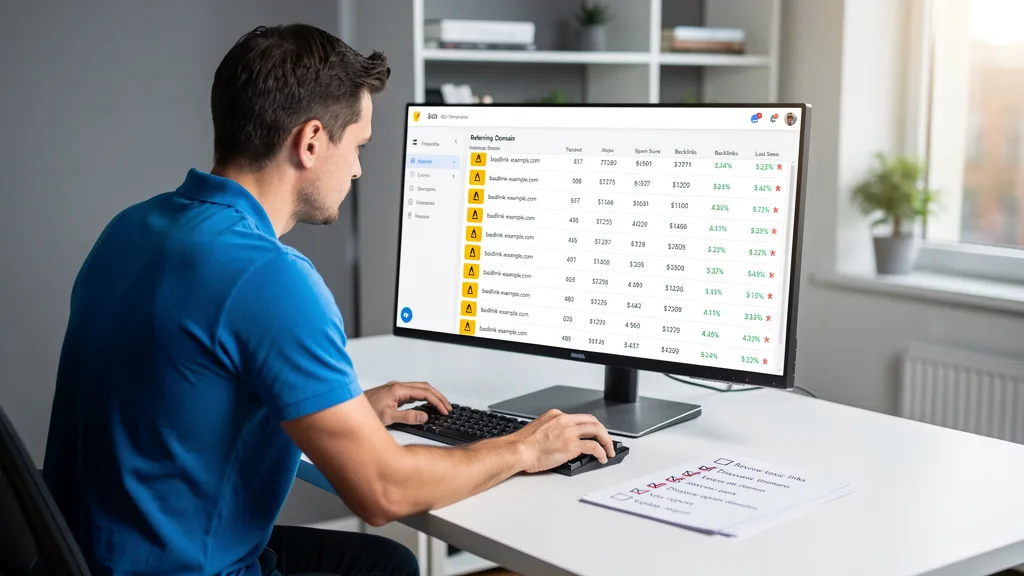
For a comprehensive niche edit site vetting process, Ahrefs or Semrush should be your primary tool, as they offer the most detailed data. Many professionals use both to cross-reference information. Below is a quick comparison of their core features for vetting purposes.
| Feature | Ahrefs | Semrush | Moz |
|---|---|---|---|
| Backlink Analysis | Excellent (Largest index) | Very Good | Good |
| Organic Traffic Estimation | Very Good | Excellent | Good |
| Historical Data | Excellent | Good | Limited |
| Keyword Gap Analysis | Good | Excellent | Fair |
| Primary Use Case for Vetting | In-depth backlink profile and history checks. | Traffic quality and keyword relevance analysis. | Quick DA checks and basic link analysis. |
Essential Supplementary Tools for a Deeper Dive
While the big three are your workhorses, several other tools are invaluable for a complete audit. These supplementary tools help you investigate specific aspects of a site that the main platforms might not cover in detail.
- Wayback Machine (Archive.org): Essential for checking a domain's history. You can see if the site has changed ownership, switched niches, or was previously used for spam.
- Copyscape: Use this to run a check on a few articles to ensure the site's content is original and not plagiarized from other sources. Widespread duplicate content is a major quality issue.
- Google PageSpeed Insights: Provides a direct look at how Google views the site's performance and user experience via Core Web Vitals. It's a free and authoritative source for technical health checks. You can read more about it directly from Google's own Page Experience resources.
- Google Search Console: If you can get temporary read-only access from the site owner, this is the ultimate source of truth. It shows you actual traffic data, manual actions, and security issues directly from Google.
Key Takeaways
Mastering the art of site vetting is what separates successful link building campaigns from disastrous ones. By implementing a structured checklist, you can consistently secure high-value placements while mitigating risk. Here are the most important points to remember:
- A Vetting Checklist is Mandatory: Never purchase or place a niche edit without a thorough, multi-point inspection. This is your primary defense against penalties and wasted investment.
- Look Beyond Surface Metrics: High DR or DA scores are not enough. You must analyze the trends and quality behind the numbers, including organic traffic stability and keyword relevance.
- The Backlink Profile Tells a Story: Scrutinize a site's referring domains and anchor text profile to ensure its authority is earned, not manipulated. Avoid sites with a history of spammy link building.
- Content and Relevance are King: The target site and page must be topically aligned with your client's link. High-quality, original content is a non-negotiable sign of a trustworthy site.
- Use a Combination of Tools: Rely on primary tools like Ahrefs and Semrush, but supplement them with specialized checkers like the Wayback Machine and PageSpeed Insights for a complete picture.
- Know the Deal Breakers: Sudden traffic drops, irrelevant content, and evidence of past penalties are critical red flags that should immediately disqualify a site.
Frequently Asked Questions
Are niche edits still effective for SEO in 2026?
Yes, niche edits remain one of the most effective link building strategies for SEO in 2026 when executed properly. Because the link is placed on an existing, aged page that has already accumulated authority and relevance signals, it can pass significant SEO value almost immediately. Unlike a new guest post that needs time to be indexed and gain authority, a link insertion leverages the power of an established asset.
The key to their effectiveness lies in quality control. A successful strategy depends entirely on placing links on editorially sound, topically relevant websites that have been thoroughly vetted. Low-quality, spammy niche edits and link insertions on irrelevant sites will not only be ineffective but can also harm your site's rankings. The focus in 2026 is on quality over quantity.
How much should a quality niche edit cost in 2026?
The cost of a quality niche edit can vary dramatically, typically ranging from $150 to over $1,000 per placement. Several factors influence the price, with the most significant being the website's authority (DR/DA), the amount and quality of its organic traffic, and the competitiveness of the niche. A link on a DR 70+ finance blog with 100,000 monthly visitors will command a much higher price than one on a DR 40 lifestyle blog with 5,000 visitors.
Be wary of services offering extremely cheap niche edits, as they often cut corners on the vetting process and place links on low-quality PBNs or link farms. The price should reflect the value, which includes the time and expertise required to vet the site properly. Investing in a properly vetted, higher-priced link is far more valuable and safer than acquiring dozens of cheap, risky ones.
Which link building services have the best reputation for high-quality niche edits?
The best link building services for high-quality niche edits are typically specialist agencies and consultants, like Kamaal SEO, who have a transparent and rigorous vetting process. These providers focus on building relationships with real site owners and maintaining a private inventory of vetted opportunities, rather than simply acting as brokers for public lists. They understand the nuances of different niches and prioritize relevance and safety above all else.
Avoid large, automated marketplaces where anyone can list their site for a fee, as quality control is often minimal. Look for providers who can explain their vetting checklist and are willing to work with you to find placements that align perfectly with your brand and SEO goals. Reputation, case studies, and client testimonials are strong indicators of a trustworthy service.
How do you properly outreach for a niche edit placement?
Proper outreach for a niche edit involves a personalized, value-driven approach. First, identify a highly relevant, high-quality article on a target website where your link would add genuine value to the reader. Your resource should complement or expand upon a point made in their content. Next, find the contact information for the editor or site owner, avoiding generic contact forms whenever possible.
Your outreach email should be concise, professional, and personalized. Reference the specific article, explain why you enjoyed it, and then politely suggest your resource as a potential addition that would benefit their audience. Frame it as a content improvement suggestion, not a demand for a link. This manual, relationship-focused approach has a much higher success rate than automated, templated outreach blasts. Alternatively, you can learn how to buy link insertions from a trusted service to bypass the outreach process entirely.
Conclusion
Ultimately, a robust Niche Edit Site Vetting Checklist for SEO Consultants is your most critical tool for building a powerful and sustainable backlink profile. By moving beyond simple authority metrics and systematically analyzing a site's traffic, backlink history, content quality, and technical health, you transform link building from a gamble into a calculated strategy. This disciplined approach ensures you secure potent links that drive meaningful results without exposing your clients to unnecessary risk in the competitive landscape of 2026.
Ready to build a powerful and safe backlink profile with expertly vetted niche edits? Our team specializes in securing high-authority links in competitive niches like finance, crypto, and iGaming. Stop wasting time on risky placements and let our experts handle the heavy lifting. Get a Link Plan today and see how we build links that move the needle.