Safe Indexed PBN Backlinks: Ensure They Get Crawled
Learn how to get your PBN backlinks indexed safely in 2026. Our guide covers avoiding footprints, building quality sites, and using proven methods to ensure.
Are you investing in a Private Blog Network (PBN) only to find your most powerful links are invisible to Google? An unindexed backlink provides zero SEO value, making your entire effort and investment a waste. Ensuring your PBN links get discovered and counted by search engines is the single most critical factor for success, but it requires a strategy that prioritizes safety and mimics natural web properties.
To get safe indexed PBN backlinks, you must focus on eliminating detectable footprints, building each PBN site to look like a real, independent entity, and using strategic methods to encourage crawling. This involves diversifying hosting and domain details, creating unique and valuable content, and establishing a natural link profile before ever pointing a link to your money site. Only then can you use advanced techniques to speed up indexing without raising red flags.
Understanding PBNs and the Indexing Challenge
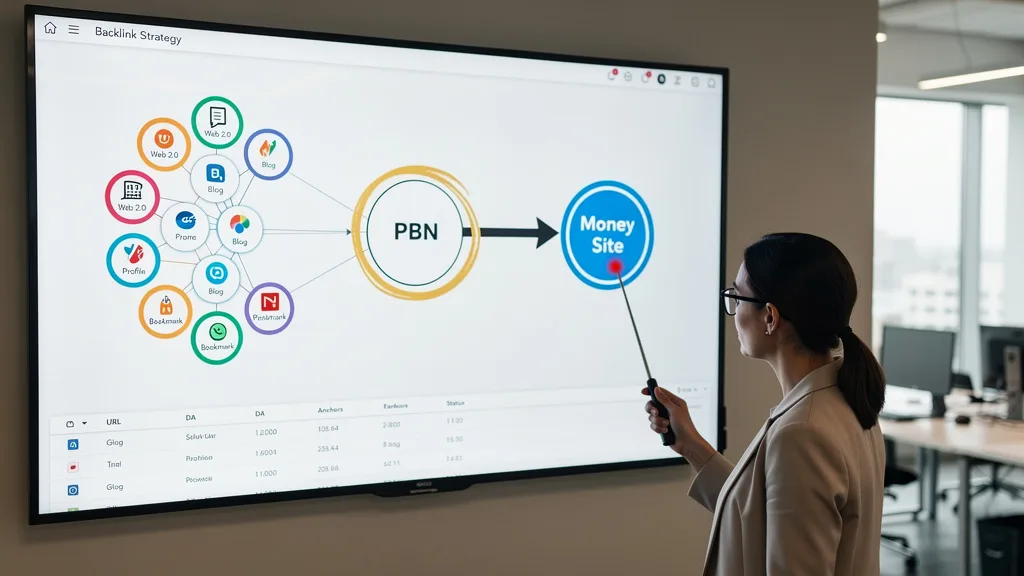
A Private Blog Network, or PBN, is a network of authoritative websites you control, used primarily to build backlinks to your main website, often called the "money site." These networks are typically built on expired domains that have retained their backlink authority. The core appeal of a PBN is the ability to control the anchor text and placement of your links, providing a powerful and direct way to influence search engine rankings.
Using unique themes and site structures is critical for preventing network-wide de-indexing.
However, the primary challenge is not building the network but ensuring its links are discovered and valued by Google. Search engines are actively looking for manipulative link schemes, and PBNs, if built improperly, are a prime target. An unindexed PBN site or page is effectively non-existent in Google's eyes. This means any link from that page passes no authority, rendering your efforts useless. The goal is to make each site in your network appear so legitimate that Google crawls and indexes it without suspicion.
Key PBN Footprints That Risk De-Indexing Your Network
The biggest threat to your PBN is leaving behind a trail of digital footprints that connect your sites to each other. Google's algorithms are incredibly sophisticated at detecting these patterns. Identifying and eliminating these footprints is the first and most crucial step toward achieving safe, indexed links that provide long-term value.
Hosting and Domain Registration Patterns
One of the most common and easily detectable footprints is related to hosting and domain registration. If all your PBN sites are on the same server, share the same IP address, or use the same block of C-Class IPs, it creates a massive red flag. Similarly, registering all your domains with the same registrar, using the same contact information, or having publicly visible WHOIS data that points to a single owner is a clear sign of a network.
High-quality, crawlable content is the cornerstone of getting a PBN site indexed by search engines.
To avoid this, you must use a variety of reputable hosting providers, often referred to as PBN hosting, which is specifically designed to give each site a unique IP address and digital fingerprint. Furthermore, use different domain registrars and always enable WHOIS privacy protection. The goal is to make each domain's registration and hosting details appear completely unrelated to any other site in your network.
Identical Site Structure and Content
Another major footprint is using the same website structure, theme, or set of plugins across your network. If all your sites are default WordPress installations with the same twenty plugins, it's easy for an algorithm to connect them. This uniformity screams "network" and undermines the perceived independence of each site.
To combat this, you must treat each PBN site as a unique project. Use different themes (both free and premium), install a varied set of plugins relevant to each site's supposed niche, and customize the layout. Most importantly, the content must be unique and valuable. Using spun, scraped, or low-quality AI-generated content is a surefire way to get your sites flagged and de-indexed. Each article should be well-written, relevant, and provide some level of utility to a reader.
Unnatural Outbound Link Profiles
The way you link out from your PBN is a critical signal. If a PBN site's only outbound links point to a single money site, especially with keyword-stuffed anchor text, it creates an unnatural and manipulative profile. A real website links out to a variety of relevant, authoritative sources to provide context and value to its readers.
Your PBNs must do the same. Before you even think about adding a link to your money site, you should build a natural outbound link profile. This includes linking to high-authority, non-competing sites like Wikipedia, major news outlets, and respected industry blogs. When you do link to your money site, the anchor text must be diversified. This topic is covered in detail in guides that break down the 10 PBN Footprints That Will get a network penalized.
A Step-by-Step Guide to Prepare Your PBN for Safe Indexing
Once you understand the risks, you can focus on building a resilient network designed for indexing and long-term performance. This requires a methodical approach where each site is developed as a standalone asset, not just a link farm. A well-prepared PBN is one that Google has no reason to suspect.
Building a Quality PBN Site Foundation
The foundation of a safe PBN starts with the domain and its setup. You should acquire expired domains with clean backlink profiles and existing authority relevant to your niche. Avoid domains that have a history of spam or were part of a previous de-indexed network. Once you have a domain, set it up on a unique, high-quality hosting account.
Tier 2 links create pathways for search engine crawlers to discover and index your PBN pages.
Customize the site from the ground up. Install a unique theme, create a custom logo, and build out essential pages like "About Us," "Contact," and a privacy policy. These pages add a layer of legitimacy and are expected on any real website. The goal is to build a site that, upon manual review, looks and feels like a genuine, active blog. Investing in proper setup for your PBN links is non-negotiable for safety.
Creating Unique, Relevant, and Crawlable Content
Content is king, even on a PBN. To get your pages indexed, you need to give Google something worth indexing. This means publishing unique, readable, and relevant articles. Each post should be at least 500-700 words and cover a topic related to the domain's original niche. Incorporate images, videos, and proper heading structures (H2s, H3s) to make the content more engaging and easier for search engine bots to crawl.
Never use duplicate or heavily spun content. While AI tools can assist in idea generation or outlining, the final content should be edited for quality, accuracy, and uniqueness. A steady stream of new content also signals to Google that the site is active and maintained, which encourages more frequent crawling and faster indexing of your new pages and the valuable links they contain.
Before you place a single link to your money site, your PBN site needs to look natural. A brand new site that immediately links out with a commercial anchor text is a major red flag. The first step is to publish several pieces of content without any links to your target properties. These initial posts should only contain outbound links to high-authority, non-competing websites.
This practice, known as "seasoning" or "priming" the site, helps establish its legitimacy in the eyes of Google. It shows that the site is a resource that links to a variety of sources, not just a vehicle for a single beneficiary. Only after the site has been indexed and has a few posts with authority links should you consider adding your first money site link, and even then, it should be done carefully and with a natural-looking anchor text.
Proven Methods to Get PBN Backlinks Indexed Faster in 2026
Even with a perfectly built PBN, waiting for Google to naturally discover and index your pages can be slow. Fortunately, there are several safe methods you can use to accelerate the process. These techniques work by sending signals to Google that your new page exists and is worthy of being included in its index.
"In 2026, getting PBN backlinks indexed is less about brute force and more about strategic signaling. Cautiously using tier 2 links and indexing services can work, but only if the underlying PBN asset is high quality. A poor site will be ignored, no matter how loudly you shout."
Using Google's 'site:' operator is a quick and free way to confirm if a specific page is indexed.
Leveraging Tier 2 Backlinks to Power Your PBN Pages
One of the most effective ways to get a PBN page indexed is to build links to it. These are known as Tier 2 backlinks. By pointing links from other sources (like web 2.0 properties, social media profiles, blog comments, or even other PBNs) to the specific PBN page containing your money site link, you create pathways for Google's crawlers to find it.
This process not only helps with indexing but also passes additional authority through your PBN to your money site. It signals to Google that your PBN page is important enough that other sites are linking to it. The key is to use a variety of Tier 2 link types to maintain a natural profile and avoid creating another predictable pattern.
Using Link Indexing Services Cautiously
Link indexing services are tools designed to get your URLs crawled by Google quickly. They often use a network of sites and tools to create signals that attract search engine bots. While they can be effective, they must be used with extreme caution. Submitting your entire PBN network to a single, low-quality indexer is a massive footprint.
If you choose to use an indexing service, opt for a reputable one and don't submit all your links at once. Mix these submissions with other methods to diversify your indexing strategy. Many SEO professionals follow expert advice on how to quickly index backlinks using a multi-faceted approach rather than relying on a single tool. Think of indexing services as a supplement, not a primary strategy.
PBN Indexing Methods Comparison for 2026
Method
Effectiveness
Risk Level
Best For
Tier 2 Backlinks
High
Low
Powering up important PBN pages and encouraging crawls.
Link Indexing Services
Medium-High
Medium
Quickly indexing a small number of stubborn URLs.
Strategic Internal Linking
Medium
Very Low
Ensuring crawlability across the entire PBN site.
Slow Drip Linking
N/A (Pacing)
Very Low
Mimicking natural growth and avoiding velocity footprints.
Implementing a Strategic Internal Linking Structure
A strong internal linking structure is crucial for SEO on any website, and PBNs are no exception. When you publish a new article containing your money link, make sure you link to it from other pages on the same PBN site, especially from the homepage or other high-authority pages. This helps distribute link equity throughout the site and provides clear pathways for Googlebot to follow.
When a crawler visits your PBN's homepage, a link from there to your new post makes it much more likely to be discovered and indexed quickly. This simple, white-hat technique is often overlooked but is one of the safest and most effective ways to ensure your entire site is crawlable and your new content doesn't get lost in the archives.
Slowly Dripping Links to Mimic Natural Growth
The speed at which you build links is a major factor. Adding dozens of links from a new PBN to your money site overnight is a huge red flag known as a velocity footprint. Natural websites acquire links gradually over time. You must mimic this pattern with your PBN.
Implement a "drip-feed" strategy where you add links slowly and steadily. For a new PBN, you might add only one or two money site links in the first month, gradually increasing the frequency as the site ages and builds more content. This patient approach is far safer and more sustainable than aggressive, short-term tactics that put your entire network at risk of being de-indexed.
How to Check if Your Backlinks Are Indexed by Google
After all the work of building and linking, you need a reliable way to verify if your efforts are paying off. Checking whether your PBN backlinks are actually in Google's index is a straightforward process. This confirmation is essential for tracking your campaign's effectiveness and diagnosing any potential issues with your network.
Using Google Search Operators
The simplest and most direct method is to use Google's own search operators. The most reliable operator is `site:`. To check if a specific page from your PBN is indexed, you would search Google for `site:YourPBNdomain.com/the-exact-page-url`. If the page appears in the search results, it is indexed. If it doesn't, it is not.
Another method is to copy a unique snippet of text (a full sentence) from the article on your PBN and search for it in quotes. For example, `"this is a unique sentence from my PBN article"`. If your PBN page appears as a result, it confirms that Google has crawled and indexed that content. This is a great way to verify indexing without using operators.
Monitoring Through Third-Party Backlink Checkers
For a more comprehensive view, you can use third-party SEO tools like Ahrefs, SEMrush, or Moz. When you enter your money site's URL into their backlink analysis tools, they will show you a list of backlinks they have found pointing to your site. Most of these tools differentiate between live and lost links and provide data on whether the linking page is indexed.
These platforms crawl the web constantly and can often provide a more scalable way to monitor your backlink profile, including your pbn backlinks indexed status. While there can be a slight delay in their reporting compared to a direct Google search, they are invaluable for managing large-scale campaigns and comparing different types of links, such as when analyzing DR backlinks vs. PBN links.
Beyond Indexing: Managing Risk and Link Quality
Getting your PBN links indexed is only half the battle. The long-term success of your strategy depends on ongoing risk management and maintaining the quality of your entire link portfolio. A PBN is a powerful tool, but it should be part of a broader, more diversified SEO strategy to ensure stability and resilience against algorithm updates.
How to Check for and Avoid Toxic Backlinks
Just as you build links to your money site, your PBN sites will also acquire backlinks over time. It's crucial to monitor the backlink profile of your PBN domains to ensure they are not being targeted by spam. Toxic backlinks pointing to your PBN can devalue the asset and, in some cases, create a risk for your money site.
You can use tools like Ahrefs or SEMrush to audit the backlinks of your PBN domains. Look for signs of toxicity, such as links from irrelevant foreign language sites, directories with no moderation, or sites with a high spam score. If you find a significant number of toxic links, you should use Google's Disavow Tool to ask Google to ignore them. Proactively managing your PBNs' health is key to their longevity.
Links from penalized or de-indexed websites.
A high volume of links from low-quality, generic directories.
Backlinks with over-optimized, commercial anchor text from irrelevant sites.
Links from foreign language or completely off-topic websites.
Site-wide links from blogroll or footer sections on spammy sites.
Diversifying Your Overall SEO Link Strategy
Relying solely on PBNs for your link building is a high-risk strategy. The safest and most effective approach to SEO in 2026 is diversification. PBN links should be just one component of a healthy, balanced backlink profile that also includes guest posts, niche edits, digital PR, and natural editorial links.
A diverse link profile is much more resilient to Google algorithm updates. If one type of link is devalued, the others can help maintain your rankings. This approach also looks far more natural to search engines. For some businesses, a long-term goal might even be to develop a safe PBN exit plan as their brand's organic authority grows. By not putting all your eggs in one basket, you protect your primary digital asset, your money site.
Key Takeaways
Successfully using PBNs in 2026 hinges on your ability to secure safe, indexed backlinks. Here are the most critical takeaways to guide your strategy:
Eliminate Footprints: The top priority is to avoid detectable patterns. Use diverse hosting, private WHOIS, unique themes, and varied plugins for each site in your network.
Build Real Sites: Treat each PBN as a legitimate, standalone website. Invest in quality design, essential pages (About, Contact), and a unique brand identity.
Content is Crucial: Publish unique, relevant, and valuable content. This is non-negotiable for getting your pages crawled and indexed.
Index Strategically: Use a combination of methods like Tier 2 links, careful use of indexing services, and strong internal linking to encourage Google to crawl your pages.
Pace Yourself: Add links slowly and naturally. A drip-feed approach is always safer than an aggressive, high-velocity campaign.
Diversify Your Profile: Never rely solely on PBNs. A healthy backlink profile includes a mix of link types, such as guest posts, niche edits, and digital PR.
Frequently Asked Questions
Are there benefits to using PBN backlinks in 2026?
Yes, when executed correctly, PBN backlinks still offer significant benefits in 2026. The primary advantage is control. You have complete control over the anchor text, the content surrounding the link, and the timing of its placement. This allows for precise and powerful link building that can quickly influence search rankings for competitive keywords.
However, these benefits come with inherent risks. The effectiveness of PBNs is directly tied to your ability to avoid footprints and make each site appear as a genuine, independent entity. For many businesses in competitive niches like finance or iGaming, the targeted power of PBN backlinks remains a valuable part of a sophisticated SEO arsenal.
How many PBN links are considered safe for one money site?
There is no magic number for how many PBN links are safe. The answer depends entirely on the quality of the PBN, the authority of your money site, and the diversity of your overall backlink profile. A site with thousands of natural, high-quality links can absorb more PBN links without raising flags than a new site with only a handful of backlinks.
Instead of focusing on a number, focus on ratios and quality. Your PBN links should constitute a minority of your total link profile. The key is to blend them into a diverse portfolio that includes guest posts, resource links, and brand mentions. A few high-quality, relevant PBN links are far safer and more effective than dozens of low-quality ones.
What is the difference between a PBN link and a guest post link?
The core difference lies in control and acquisition. A PBN link comes from a website that you own and operate. This gives you total control over the link's placement, anchor text, and the surrounding content, and you can change it at any time. You are essentially creating your own link opportunities.
A guest post link is earned through outreach. You write an article for a website that someone else owns, and in return, they include a link back to your site. You have less control over the final publication, the site's future, and whether the link will be modified or removed. While generally considered safer, guest posting is often more time-consuming and less predictable than using a PBN.
Can Google penalize my main site for using PBNs?
Yes, Google can penalize your main site for using PBNs if it detects a clear, manipulative pattern. This usually happens when the PBN is built with obvious footprints, connecting the network sites to each other and back to your money site. A penalty can range from a devaluation of the unnatural links to a manual action that significantly harms your site's visibility in search results.
This is why safety and footprint elimination are paramount. By building high-quality PBNs that look like real sites and diversifying your link profile, you significantly reduce the risk of a penalty. The goal is to make the links appear so natural that they are indistinguishable from earned editorial links. Many common PBN link building mistakes are easily avoidable with careful planning.
What anchor text strategy is best for PBN links?
The best anchor text strategy for PBN links is diversification. Over-optimizing with exact match keyword anchors is one of the fastest ways to trigger a penalty. A natural anchor text profile is varied and includes a mix of different types that mimics how real websites link to each other.
Your strategy should include a majority of branded anchors (e.g., "Your Company Name"), naked URLs (e.g., "www.yoursite.com"), and generic anchors (e.g., "click here," "read more"). These should be supplemented with a smaller percentage of partial match and exact match keyword anchors. This balanced approach makes your link profile look organic and significantly reduces risk.
Conclusion
Ensuring your PBN backlinks get indexed is a non-negotiable part of a successful off-page SEO strategy in 2026. By focusing on quality, eliminating footprints, and using strategic methods to encourage crawling, you can harness the power of PBNs without falling victim to de-indexing. The key is to treat each PBN site as a legitimate asset, invest in unique content, and integrate these links into a broader, diversified backlink profile. This methodical and patient approach transforms PBNs from a risky tactic into a reliable tool for boosting rankings.
Ready to build a powerful and safe link profile that drives real results? Our team specializes in creating diversified link strategies that stand the test of time. Let's discuss how we can build a resilient foundation for your site's growth. Get a Link Plan today.
Learn how to submit your articles to PBN networks safely in 2026. Our guide covers vetting PBNs, avoiding penalties, and integrating links into your SEO.
Master anchor text optimization for B2B and finance sites in 2026. Learn to balance anchor types, avoid penalties, and build E E A T for higher rankings.
Boost your finance site's authority in 2026. Discover 5 proven outreach angles for high DR link building for finance, from expert commentary to data driven.