
Have you heard that using a Private Blog Network (PBN) is a guaranteed way to get your site penalized by Google? In the ever-shifting world of SEO, separating outdated advice from current best practices is crucial for survival, especially in competitive niches like finance, crypto, and iGaming. Many misconceptions about PBNs continue to circulate, causing confusion and preventing businesses from leveraging a powerful, albeit advanced, ranking tool.
The truth is that while the risks are real, the narrative around PBNs is often oversimplified. The key difference between a successful PBN strategy and a disastrous one lies in execution. A professionally managed network built with a focus on quality, relevance, and footprint avoidance operates on a completely different level than the cheap, spammy networks that rightfully give PBNs a bad name. This guide debunks the top five myths to give you a clear understanding of their role in 2026.
Understanding PBNs in the 2026 SEO Landscape
A Private Blog Network, or PBN, is a network of authoritative websites used to build backlinks to a primary website for the purpose of improving its search engine rankings. These networks are built on expired domains that have retained their authority, trust, and backlink profiles from their previous existence. When managed correctly, these domains can pass significant ranking power, known as "link equity," to your main site.
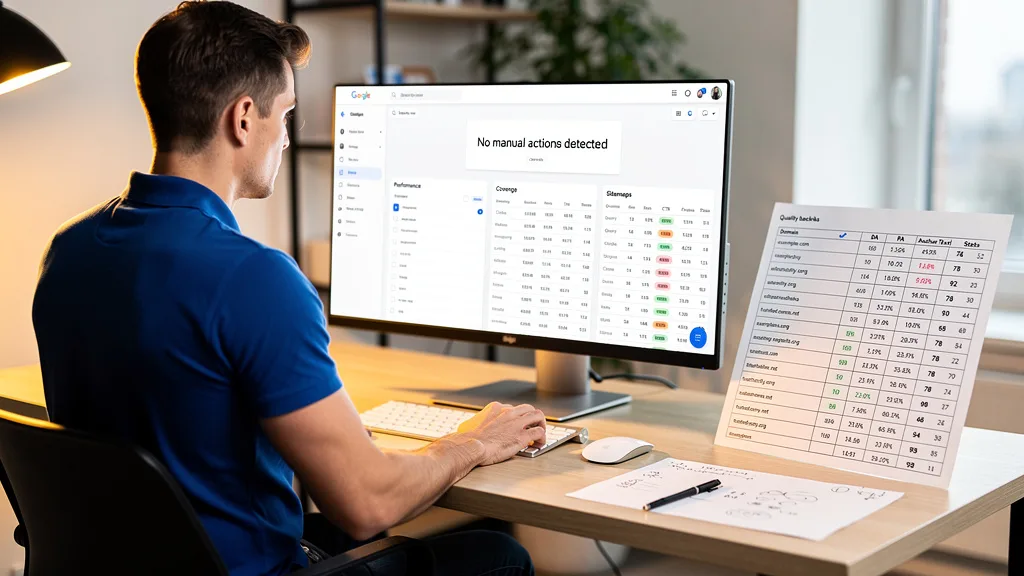
In 2026, amidst constant algorithm volatility and updates like the March core update, the discussion around PBNs is more relevant than ever. Google's spam enforcement has become increasingly sophisticated, making it essential to distinguish between low-quality, easily detectable networks and high-quality, private ones. The goal of a modern PBN isn't to trick search engines but to leverage established domain authority in a way that appears natural and provides genuine ranking benefits without triggering penalties.
For businesses in high-stakes industries, a well-executed PBN strategy can provide a competitive edge that is difficult to replicate with conventional link building alone. It requires significant investment, expertise, and ongoing management to maintain safety and effectiveness. This is why a professional approach is not just recommended, it is mandatory for long-term success.
Myth 1: Any PBN Link Guarantees an Immediate Google Penalty
The most pervasive myth is that a single PBN link will trigger an immediate manual action from Google. This is a significant oversimplification. Google penalizes networks, not just individual links, based on detectable patterns and footprints. A penalty is typically the result of using a low-quality network that shares common identifiers, such as the same hosting provider, IP address, registration details, or website themes.

High-quality PBNs are built specifically to avoid these footprints. Each site in a professionally managed network is treated as an independent entity, with unique hosting, different themes, and varied content. The risk of penalty comes from sloppy execution, not the concept of a PBN itself. Understanding the common PBN link building mistakes is the first step toward a safer, more effective strategy. When links come from a diverse, well-maintained network, the risk is minimized significantly.
Furthermore, Google's algorithms are designed to devalue spammy links rather than penalize the receiving site outright in many cases. While a manual penalty is a real risk with low-quality providers, a link from a premium PBN is far more likely to either pass value or be ignored, not cause an immediate site-wide penalty. It's all about the quality and management of the network asset.
Myth 2: All Private Blog Networks Are Low-Quality Spam
Another common misconception is that all PBNs are inherently spammy, consisting of poorly written articles on neglected websites. While this is true for cheap, publicly sold PBN links, it doesn't reflect the state of premium, private networks. A high-quality PBN is an investment, with each site developed to look and function like a real, standalone blog.

These networks feature quality content, legitimate themes, and even their own inbound links to maintain authority. The domains themselves are carefully vetted, chosen for their clean history and powerful backlink profiles. In competitive fields like crypto link building, the distinction is critical. A top-tier PBN provides links from sites that are topically relevant and authoritative, making the link appear natural and powerful.
| Characteristic | Low-Quality PBN (High Risk) | High-Quality PBN (Managed Risk) |
|---|---|---|
| Hosting & IPs | Shared, cheap hosting; common IP subnets. | Premium, diverse hosting from different providers. |
| Domain History | Spammy history, previously dropped or penalized. | Clean history, strong backlink profile. |
| Content | Spun, AI-generated, or thin content. | Unique, human-written, and relevant articles. |
| Footprints | Blocked crawlers, public WHOIS, same plugins/themes. | Natural crawler access, private WHOIS, unique designs. |
| Link Profile | Links sold to anyone, many outbound links. | Private network, limited and curated outbound links. |
Myth 3: You Can Build a Powerful PBN Network Quickly and Cheaply
Building a genuinely powerful and safe PBN is a resource-intensive process that requires significant capital and expertise. The idea that you can assemble an effective network overnight on a shoestring budget is a dangerous myth. The costs add up quickly and include several key areas of investment.

First, acquiring high-authority expired domains with clean backlink profiles is expensive, with premium domains often costing thousands of dollars each at auction. Second, each site requires its own reliable hosting plan from a different provider to avoid footprints, which is far more costly than bulk cheap hosting. Finally, there's the ongoing expense of producing quality content, designing unique sites, and performing the continuous maintenance required to keep the network healthy and effective. Trying to cut corners in any of these areas will inevitably lead to a weak, risky network that provides little to no value.
Myth 4: PBNs Have No Place in a Long-Term SEO Strategy
Some argue that PBNs are only for short-term gains and have no role in a sustainable, long-term SEO plan. This perspective often fails to consider how PBNs can be integrated into a diversified link building portfolio. For highly competitive keywords, especially in sectors like iGaming SEO, relying solely on traditional outreach can be slow and insufficient. PBNs can provide the high-powered, relevant links needed to gain initial traction and compete at the highest levels.
"In 2026, a well-managed PBN isn't a replacement for a holistic SEO strategy; it's an accelerator. When used judiciously alongside guest posts and niche edits, it provides a layer of authority that is difficult to achieve otherwise, forming a crucial part of a long-term, diversified approach."
The key to long-term success is not relying on any single tactic. A healthy backlink profile is diverse, containing links from various sources. PBN links, when sourced from a high-quality private network, can be a stable and powerful component of this mix. Many SEOs wonder, are PBN links still effective for long-term growth? When managed with care and an eye on risk mitigation, the answer is yes. They can provide a foundational layer of authority that supports other link building efforts for years to come.
Myth 5: A Well-Managed PBN Is Completely Undetectable
This is perhaps the most dangerous myth, as it fosters a false sense of security. No PBN, regardless of how well it is constructed, is 100% undetectable. The goal of professional PBN management is not to achieve perfect invisibility but to reduce the risk of detection to an acceptably low level. This is done by meticulously eliminating common footprints and making each site in the network appear as a legitimate, independent entity.
Claiming a network is "bulletproof" or "undetectable" is a red flag. A reputable provider will be transparent about the inherent risks and explain the extensive measures they take to mitigate them. This includes using different domain registrars, varied hosting providers, unique content, and custom site designs. The strategy is based on making the network so difficult and resource-intensive to identify that it flies under the radar of both automated and manual reviews. It's about intelligent risk management, not impossible guarantees.
What You Should Avoid in Modern Link Building
To protect your rankings, traffic, and trust, it is critical to avoid common link building mistakes that can lead to penalties. As Google's algorithms grow more sophisticated, cutting corners is no longer an option. Staying informed and adhering to best practices is essential for long-term success.
- Buying Links from Public Lists: Never purchase links from providers who openly share their website lists. If you can see the list, so can Google.
- Ignoring Topical Relevance: A link from a high-authority site is useless if the topic is completely unrelated to your niche. Relevance is a key ranking signal.
- Using Over-Optimized Anchor Text: Repeating the same exact-match keyword in your anchor text is a major red flag for search engines. Diversify your anchor text to appear natural.
- Relying on a Single Link Type: A natural backlink profile is diverse. Over-relying on PBNs, guest posts, or any other single method creates a predictable and risky pattern.
- Neglecting Footprint Hygiene: Using the same hosting, themes, plugins, or registration details across a network is the fastest way to get it de-indexed. Every site must be unique.
Safer Alternatives for Building Authority and Rankings in 2026
While high-quality PBNs have their place, a robust SEO strategy should always be diversified. Integrating safer, more traditional link building methods not only reduces risk but also builds a more natural and resilient backlink profile. These methods are complementary to a PBN strategy and should be pursued in parallel for the best results.
Guest posting on authoritative, real blogs in your industry is an excellent way to earn relevant, high-quality backlinks. This tactic also builds relationships and establishes you as an authority in your field. Similarly, niche edits, or link insertions, involve adding your link to existing, relevant content on established websites. This can be a highly effective way to gain powerful links without having to create new content. For those in competitive sectors, exploring strategies for high DR link building for finance can provide a powerful boost that complements other efforts.
Key Takeaways
Navigating the world of PBN link building requires a clear understanding of what's real and what's a myth. The landscape in 2026 demands a sophisticated approach that prioritizes quality and risk management over cheap, quick wins. Remember these core truths to make informed decisions for your SEO strategy. well-maintained network.
- Penalties are not automatic: They result from low-quality execution and detectable footprints, not from the use of PBNs in general.
- Quality is paramount: A premium PBN is a collection of high-authority, well-managed websites, not a network of spam blogs.
- There are no shortcuts: Building a powerful and safe network is an expensive and time-consuming endeavor.
- PBNs can be part of a long-term strategy: When integrated into a diverse backlink profile, they provide a sustainable source of authority.
- Risk management is the goal: The aim is to minimize footprints and reduce risk to an acceptable level, not to achieve impossible undetectability.
Frequently Asked Questions
Do backlinks matter in 2026?
Yes, backlinks remain one of the most critical ranking factors for Google in 2026. They serve as votes of confidence from one website to another, signaling to search engines that your content is valuable, credible, and authoritative. While the nature of what constitutes a 'good' backlink has evolved, their fundamental importance has not diminished.
Google's algorithms have become much better at evaluating the quality and relevance of a link. A single, high-quality backlink from an authoritative site in your niche can be more powerful than hundreds of low-quality, spammy links. Therefore, the focus has shifted from link quantity to link quality and relevance.
Is link building a fundamental part of SEO?
Absolutely. Link building is a cornerstone of off-page SEO and is fundamental to achieving competitive search engine rankings. While on-page SEO, technical SEO, and content creation are all vital, they often aren't enough to rank for competitive terms on their own. Link building is the process that builds your website's authority in the eyes of search engines.
A strategic link building campaign helps increase your domain authority, drives referral traffic, and builds relationships within your industry. Without a proactive approach to acquiring quality backlinks, even the best content may struggle to be seen by its target audience.
Are PBN links still effective for ranking?
Yes, when sourced from a high-quality, privately managed network, PBN links are still highly effective for improving search rankings in 2026. Their effectiveness comes from the ability to direct significant link equity from aged, authoritative domains to your target site. This is especially true in competitive niches where organic link acquisition is slow and challenging. You can find more discussion on this in expert forums and videos about the Top 5 PBN Myths Debunked.
The key to their effectiveness lies in the quality of the network. Links from a poorly constructed PBN with obvious footprints will be devalued or could lead to a penalty. However, links from a professionally managed network that prioritizes safety and quality can provide a substantial and often immediate ranking boost.
What is the main risk of using PBNs?
The primary risk of using PBNs is receiving a manual action, or penalty, from Google for participating in a link scheme. This can result in a significant loss of rankings and organic traffic. This risk is highest when using low-quality PBNs that have been built with easily detectable footprints, such as shared hosting, identical themes, or low-quality content.
A manual penalty can be difficult and time-consuming to recover from, often requiring a thorough disavowal of the toxic links. This is why it is crucial to work with a reputable provider who understands how to build and manage a network with meticulous attention to footprint avoidance and risk mitigation. The goal is to make the links appear as natural as possible.
How does Google identify a private blog network?
Google uses a combination of automated algorithms and manual reviews to identify PBNs. They look for unnatural patterns and common footprints that link the websites within a network together. These footprints are the clues that a group of sites is not independent but is instead controlled by a single entity for the purpose of manipulating search rankings.
Common footprints include shared IP addresses or hosting providers, identical WHOIS registration information (or patterns in private registration), using the same WordPress themes or plugins across multiple sites, and having a similar outbound link profile. A professionally managed PBN works to eliminate every one of these potential footprints to minimize the risk of detection.
Conclusion
The narrative surrounding PBNs is filled with outdated fears and misconceptions. As we've explored, the effectiveness and safety of a PBN in 2026 depend entirely on its quality and management. By understanding the difference between a high-risk, low-quality network and a professionally managed one, you can make an informed decision. For those in competitive markets, a well-executed PBN strategy, as part of a diverse link building plan, remains one of the most powerful tools for achieving and maintaining top search rankings.
Ready to move past the myths and build real authority for your website? Our team specializes in creating safe, penalty-free link building campaigns for competitive industries. We handle the complexity so you can focus on the results. To see how a professional strategy can elevate your rankings, schedule a consultation with our experts. Get a Link Plan today.