
Are you considering a private blog network to boost your website's authority but are unsure of the financial commitment? Understanding the true cost per domain is crucial for budgeting your SEO investments and ensuring a positive return. The expenses can vary widely, from acquiring powerful expired domains to ongoing content and hosting fees, making a clear breakdown essential for any serious digital marketer in 2026.
The average private blog network cost per domain in 2026 ranges from $80 to over $500 for the first year, depending on the domain's authority, hosting solution, and content quality. This initial investment covers the domain purchase, setup, and initial content. Annually, you can expect to pay between $50 and $200 per domain for renewal, hosting, and content updates to maintain the network's effectiveness and safety.
A Private Blog Network (PBN) is a collection of authoritative websites that you own and control for the primary purpose of building backlinks to your main, money-making website. These networks are typically built on expired domains that already have established authority, backlinks, and trust from search engines. By posting content with links on these PBN sites, you can direct powerful link equity to your target pages, influencing their search engine rankings.

The core concept of a PBN is to simulate natural, editorial links that would otherwise be difficult or time-consuming to acquire. Unlike guest posting or outreach, a private blog network gives you complete control over the anchor text, the content surrounding the link, and the timing of its placement. This level of control allows for highly targeted and strategic link building campaigns designed to achieve specific ranking goals.
It's important to distinguish a PBN from other types of blog networks or Web 2.0 properties. While platforms like WordPress.com or Tumblr allow users to create free blogs, a true PBN is built on self-hosted domains that you purchase and manage. This distinction is critical because it provides autonomy and reduces the risk of de-platforming, while also ensuring the link equity passed is as clean and powerful as possible.
In the competitive digital landscape of 2026, a well-managed private blog network remains a potent tool in an advanced SEO arsenal. The primary reason for its continued relevance is the unparalleled control it offers. You can dictate the exact anchor text for your backlinks, ensuring it aligns perfectly with your keyword strategy, a level of precision that is nearly impossible to achieve with organic outreach or guest posting campaigns.

Furthermore, PBNs provide a reliable and scalable source of high-authority backlinks. Instead of spending months negotiating with other webmasters for a single link, you can deploy multiple powerful links within days. This speed and efficiency can be a significant competitive advantage, especially in fast-moving or highly competitive niches. Many businesses find that PBN backlinks are more effective than Web 2.0s because they are built on domains with genuine history and authority, passing more potent ranking signals.
Finally, building a PBN is an investment in a long-term digital asset. While the initial setup requires capital, you own the network. These domains can be used to support multiple projects, sold to other marketers, or repurposed over time. When comparing the long-term value, the cost-effectiveness of a PBN can outperform recurring payments for link placements or guest posts, as detailed in comparisons like Guest Posts vs PBN Links for iGaming SEO.
How to Get Started with Private Blog Network
Initiating a private blog network involves a few key stages, each with its own associated costs. The first and most critical step is acquiring high-quality expired domains. These are domains that were previously owned, have an existing backlink profile, but were not renewed. You can find these domains through auction sites like GoDaddy Auctions or specialized brokers. The price can range from $50 for a decent domain to thousands for a premium one with a stellar backlink profile.
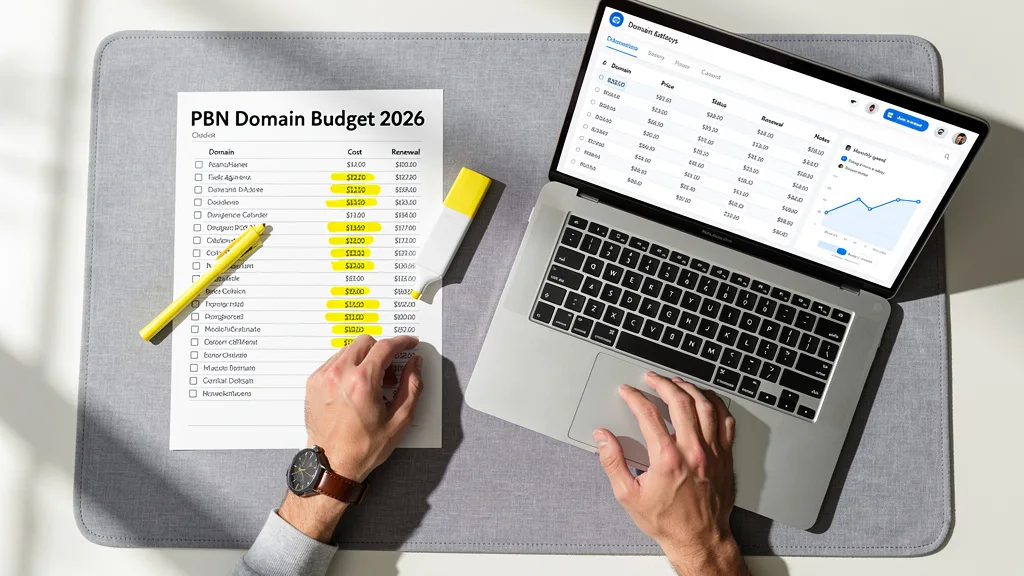
Once you have your domains, the next expense is hosting. It is crucial to avoid leaving a footprint that search engines can trace. This means using different hosting providers, IP addresses, and server locations for each site in your network. Specialized PBN hosting services cater to this need, often costing between $2 to $5 per site per month. Standard shared hosting is cheaper but riskier if not managed correctly. For more on domain acquisition, this Best Domain Registrars 2026 guide offers valuable insights.
Finally, you need content for your PBN sites. The goal is to make each site look like a legitimate, standalone blog. Content costs vary significantly based on quality. You can use AI writers for as little as $5 to $10 per article, or hire human writers for $25 to $100+ per post for higher quality. A good strategy is to have at least 5-10 pages of quality content on each site before you start adding posts with links to your money site. Efficiently managing this process is key, and understanding PBN indexing and tracking configuration is essential for success.
| Cost Component | Low-End Estimate | High-End Estimate | Notes |
|---|---|---|---|
| Expired Domain Acquisition | $50 | $500+ | Cost depends on domain authority, backlinks, and auction competition. |
| Annual PBN Hosting | $24 | $60 | Based on $2-$5 per month per site using specialized PBN hosts. |
| Initial Content (5 articles) | $25 | $250+ | Varies based on using AI-generated content vs. hiring human writers. |
| Annual Domain Renewal | $15 | $25 | Standard renewal fees from most registrars. |
| Total First-Year Cost | $114 | $835+ | Initial investment to get one PBN site live. |
| Annual Recurring Cost | $39 | $85+ | Ongoing cost to maintain the site (excluding new content). |
Best Practices for Private Blog Network
To effectively leverage a private blog network without incurring penalties from search engines, adhering to strict best practices is non-negotiable. The single most important rule is to avoid creating detectable footprints. This means each site in your network should appear completely independent. Use different domain registrars, varied hosting providers with unique Class-C IP addresses, and different website themes or builders.
Content quality is another critical factor. Your PBN sites should not be thin content farms. Each blog should have unique, readable, and valuable content relevant to its niche. Add privacy policies, about pages, and contact information to make them look like real, active websites. When you do add a link to your money site, it should be placed naturally within a relevant article and you should also link out to other non-competing authority sites in the same post to create a natural link profile. PBN Outbound Link Dilution.
Finally, manage your link-building velocity. Do not add hundreds of links from your new network to your money site all at once. A gradual and steady approach looks more natural. Sprinkle in links over weeks or months. For those looking for a deep dive, this guide on how i build a PBN provides a detailed walkthrough. Thinking about the long term, it is also wise to have a safe PBN exit plan in case you decide to dismantle or sell the network in the future.
Common Mistakes to Avoid
Building a successful PBN is as much about avoiding errors as it is about following best practices. One of the most frequent and damaging mistakes is using cheap, low-quality hosting where many PBN sites are bundled on the same IP address or server block. This creates a massive, easily detectable footprint that search engines can use to de-index your entire network in one fell swoop.
Another common error is neglecting content quality. Many people buy powerful domains only to populate them with spun or low-effort AI-generated articles. Search engines are increasingly sophisticated at detecting poor content. If the sites in your network offer no real value, they will eventually lose their authority, and the links from them will become worthless. This is one of several common PBN link building myths that can lead to failure.
Finally, a critical mistake is interlinking the sites within your PBN. Your PBN blogs should never link to each other. Each site should appear as an independent entity on the web. Linking them together creates a clear footprint of a network. Similarly, avoid using the same Google Analytics or AdSense account across your PBN sites, as this is another simple way for search engines to connect the dots and penalize your network.
"In 2026, the success of a PBN hinges on quality and footprint management. The private blog network cost is not just a financial one; it's an investment in meticulous execution. Spend the budget on diverse hosting and quality content, or you risk losing everything."
Key Takeaways
Navigating the costs and strategies of a private blog network in 2026 requires a clear understanding of the key investment areas and best practices. Budgeting accurately and executing carefully are paramount to achieving a positive return on your SEO efforts. Here are the most critical points to remember:
- Initial Cost Varies Widely: The first-year private blog network cost for a single domain can range from approximately $100 to over $800, driven primarily by the quality and price of the expired domain you purchase.
- Hosting is a Critical Factor: Do not cut corners on hosting. Using specialized PBN hosting with unique IP addresses is essential to avoid leaving a traceable footprint, even if it adds to the recurring cost.
- Content Quality Matters: Your PBN sites must look like real, valuable blogs. Invest in unique, readable content to maintain the authority of your domains and the effectiveness of your links.
- Avoid Common Footprints: Never use the same registrar, hosting, or analytics accounts across your network. Do not interlink your PBN sites. Footprint management is the key to long-term success.
- PBNs Are an Advanced Strategy: Building and managing a PBN is a high-risk, high-reward SEO tactic. It requires significant investment, technical knowledge, and ongoing management to be effective and safe.
Conclusion
Ultimately, the private blog network cost per domain in 2026 is a strategic investment in controlling a powerful part of your SEO destiny. While the initial and ongoing expenses are not trivial, a well-built and carefully managed network provides a scalable and reliable source of authority backlinks that can significantly outperform other methods. Success hinges on a commitment to quality, from acquiring strong domains to publishing valuable content and, most importantly, meticulously avoiding detectable footprints. By budgeting wisely and adhering to best practices, you can build a valuable digital asset that drives tangible ranking improvements.
If you're ready to explore how a professionally managed backlink strategy can elevate your business, our team can help you navigate the complexities. We create tailored plans that align with your budget and SEO goals. Get a Link Plan today to discuss your project.